Harvesting Hope in Palabek: How Solar Energy and Modern Agriculture Are Transforming Refugee Livelihoods
-
by
pdo
PALABEK REFUGEE SETTLEMENT, UGANDA — At the Don Bosco Palabek Community in northern Uganda, agriculture is becoming more than a means of producing food. Through solar-powered water systems, modern farming techniques and practical skills training, the Salesians of Don Bosco are helping South Sudanese refugees build stronger livelihoods and greater self-reliance.
As a new agricultural season begins, the settlement’s farming projects reflect a growing focus on food security, vocational learning and human dignity. Across the community, cultivated fields, nurseries, orchards and livestock facilities demonstrate how sustainable agriculture can create opportunities for refugee families and their children.
Solar Energy Powers Agricultural Transformation
A key feature of the agricultural projects is the use of solar energy to support water supply and irrigation.
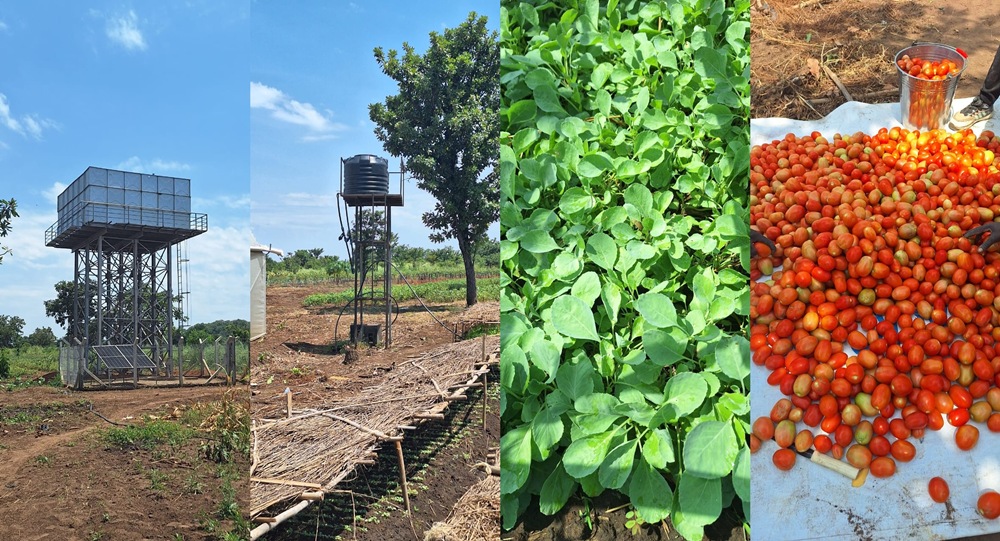
At the centre of the system stands a large, elevated steel water reservoir enclosed within a secure, fenced area. Solar panels installed near the base of the structure generate electricity to power water pumps, reducing reliance on costly fossil fuels.
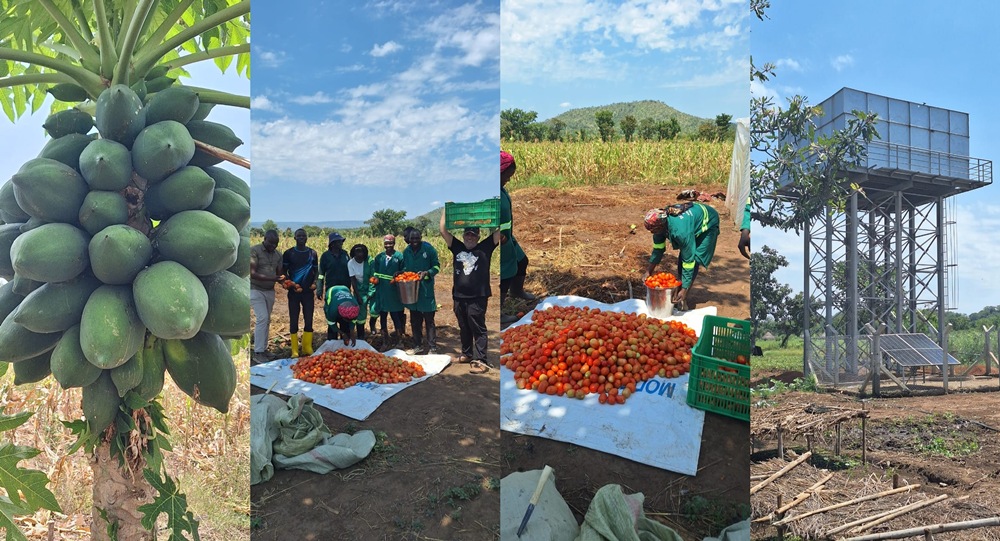
Additional elevated water tanks and distribution lines help supply water to nursery beds and cultivated plots. Across the fields, drip-irrigation tubing delivers water directly to the root zones of plants, helping improve water efficiency and maintain consistent moisture in the soil.
Solar panels installed on facility rooftops and ground-mounted structures also contribute to the energy needs of the surrounding agricultural operations.
The infrastructure is particularly important in a setting where dry weather can place pressure on farming activities. By combining renewable energy with water-management systems, the project is helping create more reliable conditions for crop production.
Modern Farming Techniques Improve Production
The impact of the agricultural investment is visible throughout the Don Bosco Palabek farming grounds.
A large, semi-transparent polyhouse provides a protected environment for crops that require more controlled growing conditions. Nearby, shaded seedling nurseries protect young plants from intense sunlight, allowing them to develop before being transferred to the fields.

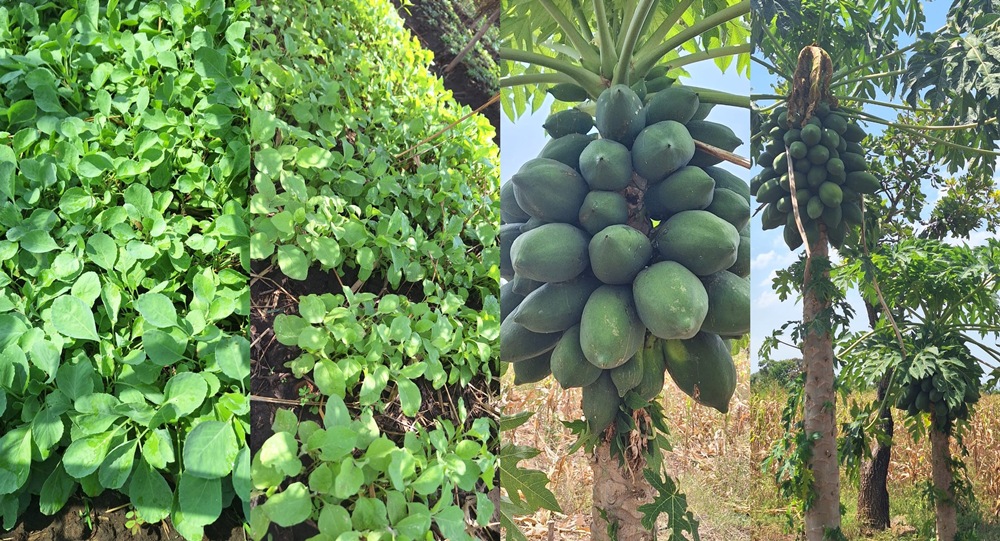
Under the shade structures, rows of leafy vegetable seedlings grow in healthy, vibrant beds. Elsewhere, irrigated plots support crops such as pepper, while fenced orchard areas provide space for young fruit trees.
Mature papaya trees stand alongside maize fields, their branches carrying clusters of fruit. The combination of vegetables, cereals and fruit trees reflects an effort to diversify production and strengthen household nutrition.
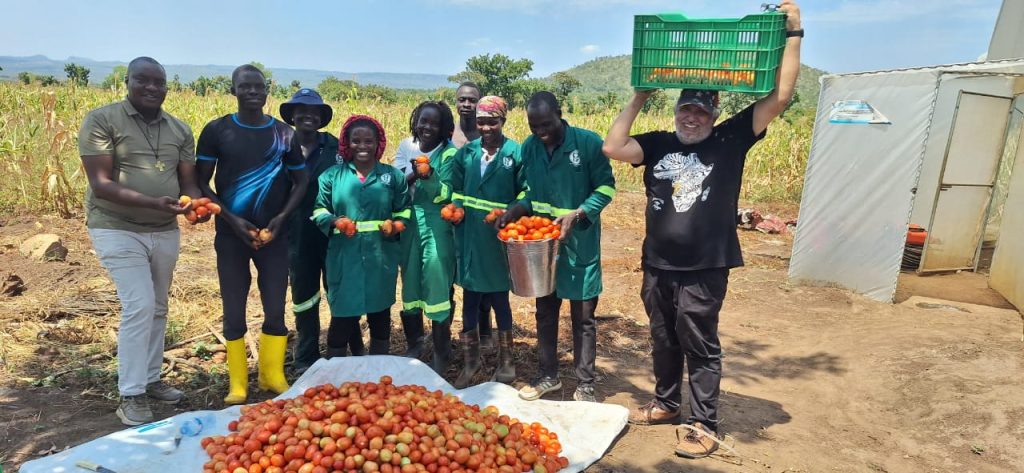
The projects also demonstrate the importance of post-harvest handling. In one area, beneficiaries gather ripe tomatoes, sorting and packing the produce into buckets and transport crates for further use or sale.
Livestock Adds Nutrition and Income Opportunities
Agricultural activities at Don Bosco Palabek extend beyond crop production.
The community has established livestock projects designed to support nutrition, income generation and practical vocational training. Clean and well-ventilated piggery facilities house pigs in concrete pens fitted with feeding troughs.
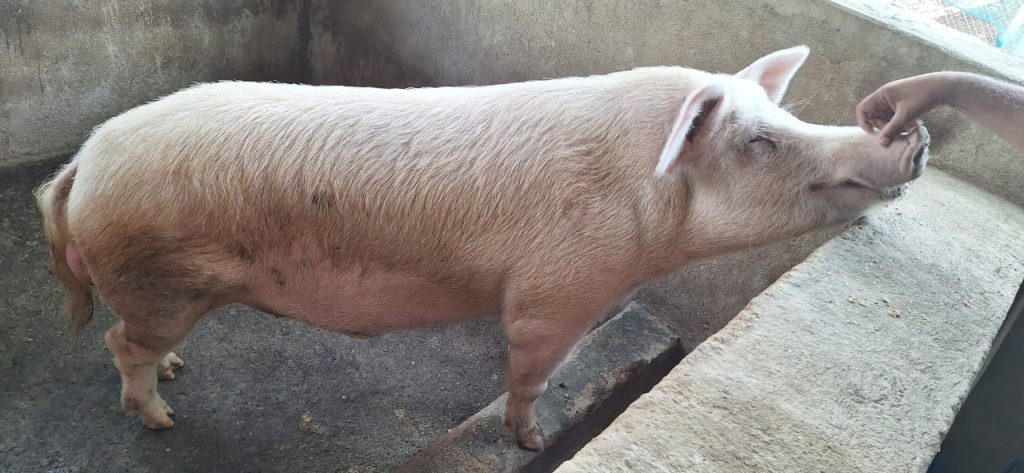
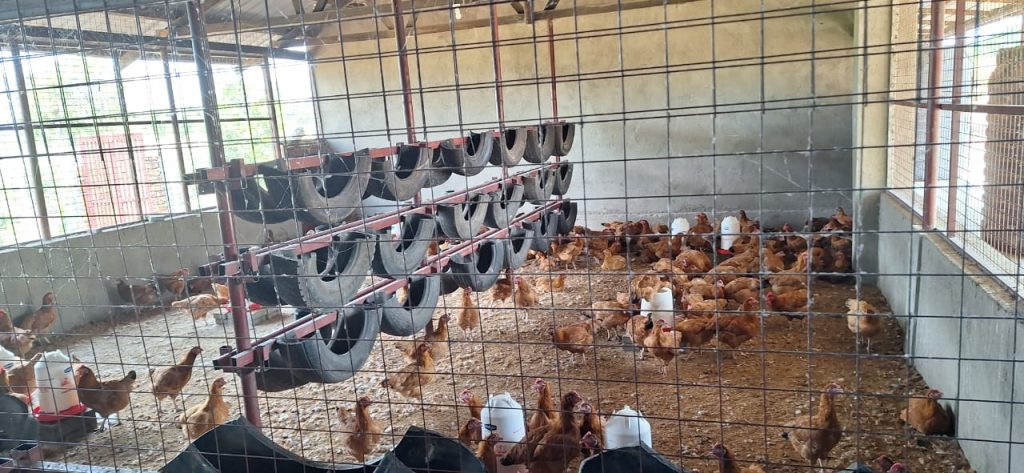
Poultry houses accommodate laying hens in spacious, wire-meshed structures. Feeding stations and nesting compartments, including units made from recycled tyres, form part of the facilities.
Additional covered steel structures are under construction to support the expansion of agricultural activities and provide space for storage and other operations.
By integrating crop production with animal husbandry, the project offers beneficiaries different opportunities to develop skills, diversify household resources and strengthen food security.
Refugees at the Centre of the Work
The success of the initiative ultimately depends on the participation of the refugee community.
South Sudanese refugee farmers, dressed in green protective overalls and rubber boots, work alongside team leaders and technical instructors. Around piles of fresh produce, workers inspect crop quality, learn post-harvest handling techniques and prepare agricultural products for market.
These activities provide more than immediate agricultural output. Refugee parents gain practical knowledge in modern farming, irrigation maintenance and livestock management. The skills can support household food production while also creating opportunities for income generation.
For families, the benefits include improved access to nutritious food and stronger livelihood prospects. For children, the projects offer a practical example of how education, innovation and hard work can contribute to community resilience.
The Don Bosco Palabek agricultural projects highlight the potential of development-focused support in refugee settlements.
While emergency assistance remains essential, long-term investments in renewable energy, agricultural infrastructure and technical training can help communities move toward greater self-reliance.
At Palabek, solar-powered irrigation, protected cultivation, diversified crops and livestock production are working together to create a more sustainable agricultural system.
For the Salesians of Don Bosco and the donors supporting their work, the impact extends beyond the harvest. The initiative is helping refugees acquire practical tools, strengthen household resilience and build hope for the future.
In the fields of Palabek, every seedling, harvest and newly acquired skill represents a step toward dignity, opportunity and a more secure livelihood.
SUBSCRIBE TO OUR NEWSLETTER