Gender Responsive Pedagogy Training Launched for Don Bosco TVETs in Rwanda
-
by
pdo
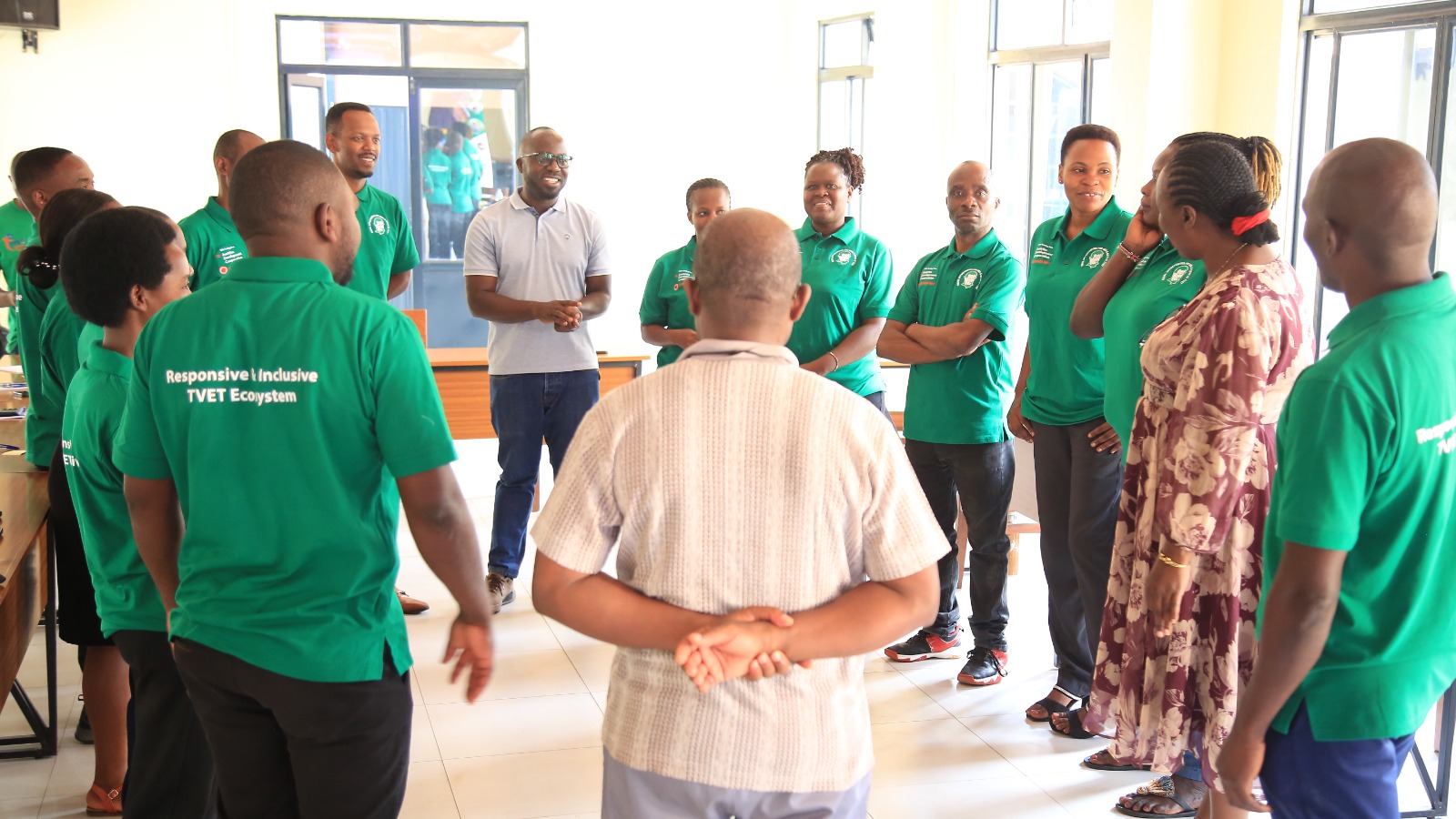
KIGALI, Rwanda | September 4, 2026: A two-day training on Gender Responsive Pedagogy – GRP for instructors and stakeholders from Don Bosco Technical and Vocational Education and Training – TVET institutions officially opened on Friday in Kigali, with a call to move gender inclusion from policy into daily classroom practice.
The training is held under the “Gender Matters for Green TVET Project”, funded by the Austrian Development Cooperation and Jugend Eine Welt, and implemented by the Salesian Planning and Development Office across Don Bosco TVET centres in Uganda and Rwanda.
The session was officially opened by Fr. Servilien Ufitamahoro, Director of the Planning and Development Office for the Salesians of Don Bosco in the Africa of the Great Lakes Province (Rwanda, Uganda, Burundi).
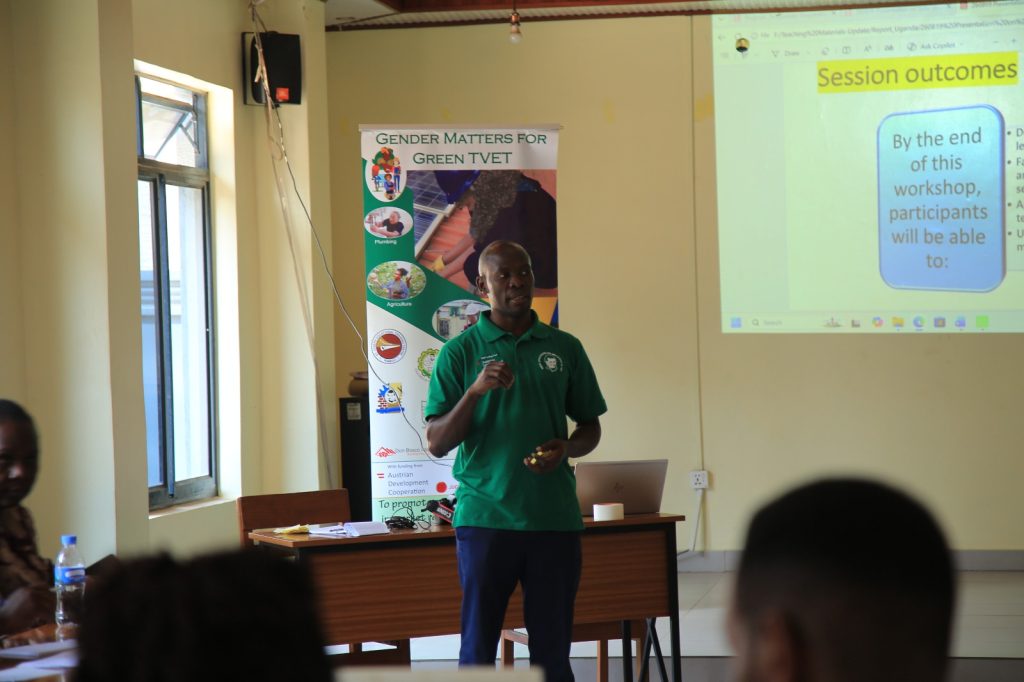
Speaking shortly after the opening, Jennifer Taaka, Gender Consultant and facilitator of the training, said the session is part of the 4-year project supporting gender mainstreaming in Don Bosco TVETs.
“For these two days we are here in Kigali to train instructors and stakeholders of TVETs that are part of the program on gender matters in Green TVETs,” Taaka said.
“We are facilitating a dialogue on gender responsive pedagogy, really emphasizing the methodologies and approaches that ensure every person desirous of attaining TVET training can access and succeed. Therefore we will be discussing different approaches that ensure we leave no one behind.” She described GRP as more than a manual.

“GRP is a gospel because the gospel lives. The gospel does not remain in manuals or in the Bible. The gospel should be lived. So it is something that they should put into practice, learn and put into practice and find mechanism to ensure that it spreads.”
Progress Recorded Over 4 Years
Taaka noted “quite, quite good” progress since the project started four years ago, when the term ‘gender’ was not widely accepted. An initial analysis looked at gender conceptualization, practices within schools, governance, and stakeholder culture before the GRP guide was developed.
“We really see good progress,” she said. “First of all, governance. There are quite a number of policies that have been developed… the gender policy and the policies are not just on paper. We see transition into language, into practices in the TVETs where they have established care centers, where they are now ensuring inclusive enrollment for both girls and boys across different courses.”
She added that there has also been a shift in culture, behavior, and language within TVETs, with increased recognition of girls, boys and all learners as equal stakeholders.
Focus on Sustainability
Addressing sustainability beyond the project, Taaka said structures have been put in place to guide continued work.
“Gender mainstreaming is a process. Four years was the beginning of the gender inclusive journey within the TVETs,” she explained.
“We have policies in place that have been approved by the Salesians of Don Bosco. Since the structures are in place, it is our anticipation that these structures will be able to guide the TVETs to continue the subject of gender inclusion beyond the project.”
She noted that training “trainers of trainers” is part of the exit strategy, but urged Don Bosco to seek more resources to sustain the conversations.
“This is not something that you can do within a year or two or four years as we’ve done. But I think we set very good ground and hopefully they will be able to look for resources to continue this work.”
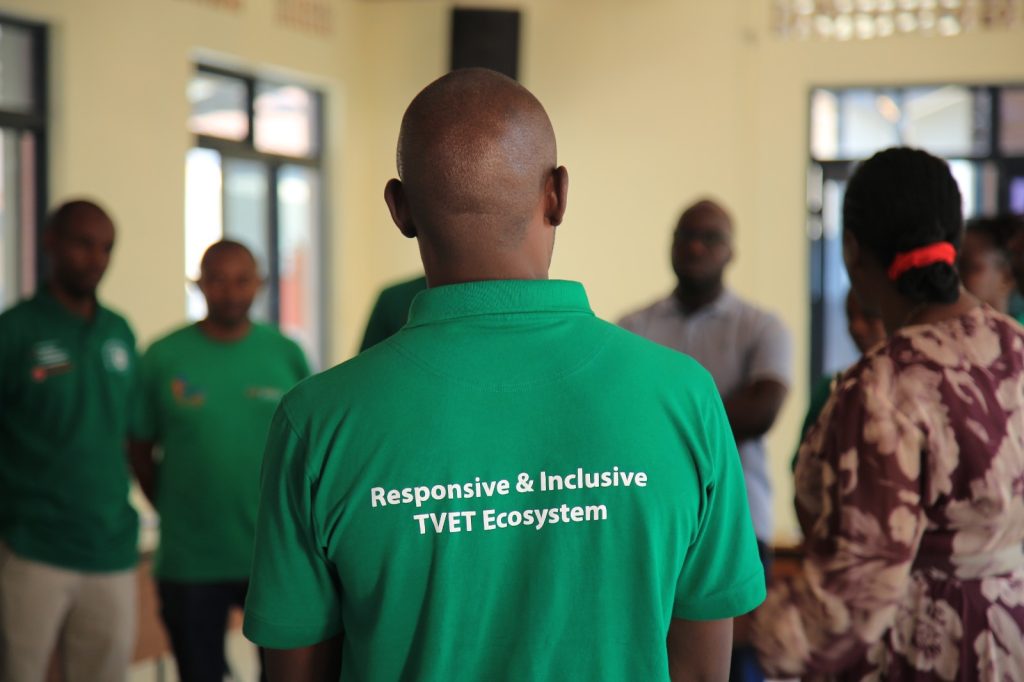
The training will equip instructors with practical GRP methodologies to address stereotypes and create inclusive learning environments in Green TVETs.
SUBSCRIBE TO OUR NEWSLETTER