A Journey to Sustainable Futures: Exploring Bethany Land Institute’s Agricultural and Recycling Innovations
-
by
pdo
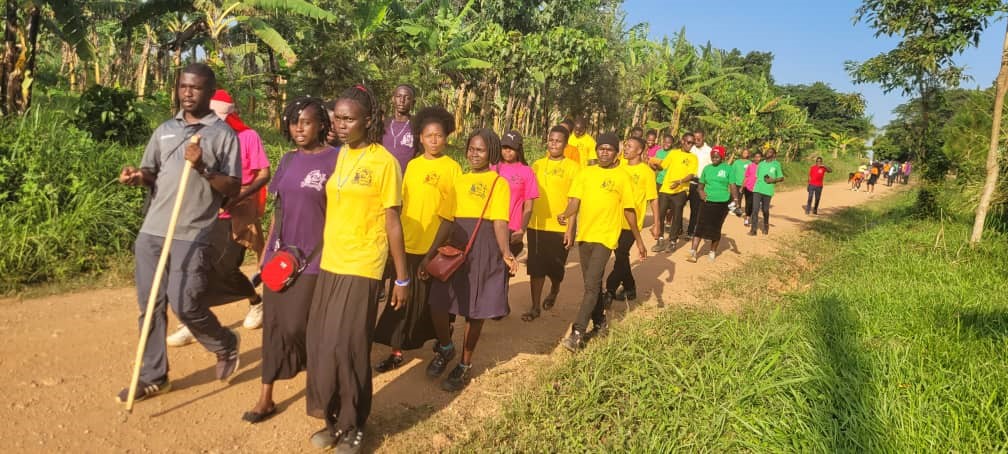
Friday June 13, 2025, the Green club and the students of agriculture at Don Bosco Vocational Training Centre Bombo had the privilege of embarking on an insightful field visit to the Bethany Land Institute (BLI), a beacon of sustainable agriculture and environmental stewardship. Located amidst serene landscapes, BLI offers a unique blend of agricultural tours and pioneering recycling initiatives, providing a holistic educational experience that underscores the importance of harmony between human activity and nature.
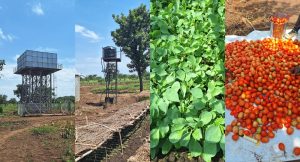
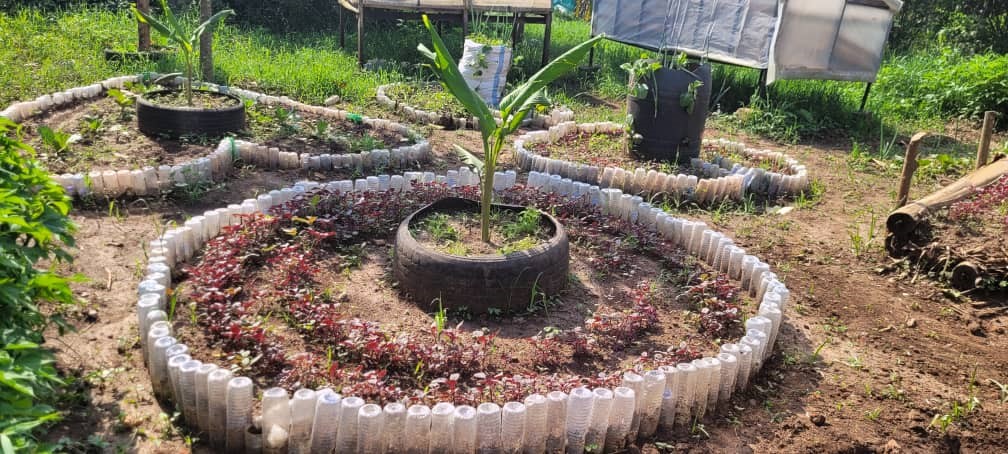
Upon arrival, we were greeted by the vibrant energy of the institute and introduced to Mr Calvin and Mr Richard who have been our guides, a testament to its dedication to fostering a new generation of environmentally conscious leaders. Our tour began with an immersive journey through their diverse agricultural projects. We witnessed firsthand the meticulous care and innovative techniques employed in their organic farming practices for example turning waste into manure for crop production. From lush vegetable gardens inter cropped with medicinal trees and trees that are fodder for animals teeming with life to thoughtfully integrated animal husbandry, BLI demonstrates how sustainable agriculture can yield abundant produce while enriching the soil and preserving biodiversity. We learned about their composting methods, natural pest control, and water conservation strategies for example harvesting rain water in the most natural ways – all vital components of a resilient food system. The emphasis on indigenous crops especially trees within the forest that are endangered species and traditional farming knowledge, blended with modern ecological approaches, was particularly inspiring.
Beyond the fertile fields, BLI’s commitment to sustainability extends to its impressive recycling program. This segment of our visit offered a compelling look at practical solutions for waste management. We were shown various stages of their recycling process, from the meticulous sorting of different materials – plastics, paper, glass, and organic waste – to their ingenious repurposing. It was truly eye-opening to see how discarded items are transformed into valuable resources, such as recycled plastic used for construction materials or artistic creations for nursery beds. The institute’s innovative approach not only reduces landfill waste but also creates economic opportunities within the local community.
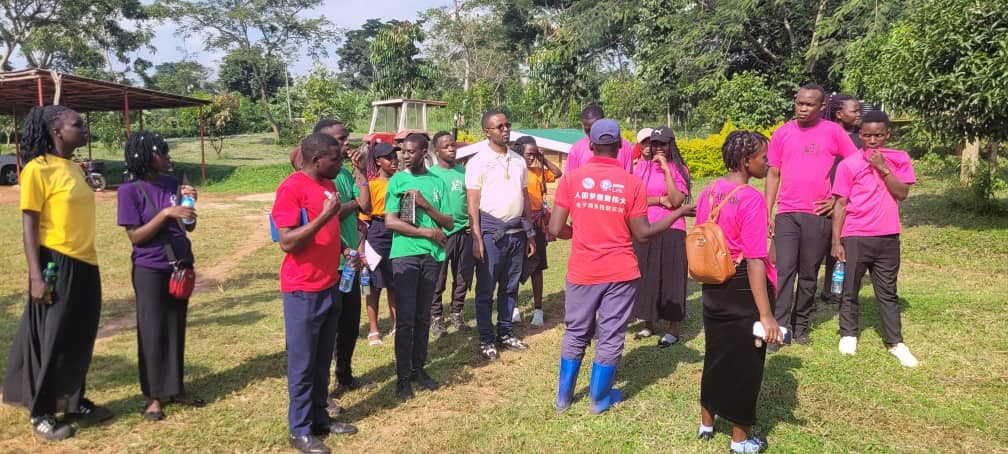
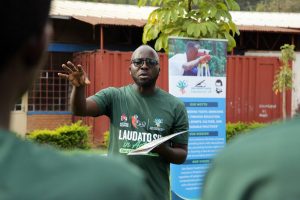
One of the most impactful aspects of the visit was the opportunity to interact with the students and staff. Their passion for sustainable living and their dedication to the institute’s mission were palpable. We heard inspiring stories of how BLI empowers individuals with the knowledge and skills to implement sustainable practices in their own lives and communities. The institute’s educational model goes beyond theoretical learning, providing hands-on experience and fostering a deep respect for the environment as was evident by the time of our visit.
Our field visit to Bethany Land Institute was more than just a tour; it was an inspiring glimpse into a sustainable future. BLI stands as a powerful example of how integrated approaches to agriculture and recycling can create a positive impact on both the environment and society. Their work serves as a vital reminder that with innovation, dedication, and a commitment to responsible practices, we can cultivate a world where both people and the planet thrive. Namirimu Maria a member of the green club was impressed by the almost natural environment the animals live in especially the Rabbit house that gives them a filling of living in the wild.
Dominic said it was amazing to learn new tree species and the encounter of wild monkeys and a snake were more interesting for him. Brother Patrick a Salesians Brother admired the forms of intercropping that are practiced at the center. To keep the environment as natural and possible and appreciate that each of the plants depend on each other.
We and the earth are related. From it we came and to it we shall return. Good care for it is everyone’s mandate.
This was all made possible with funding from Austrian Development Cooperation and Jugend Eine Welt, as part of a broader ‘gender matters in green Tvet program. This is a four-year program spanning 2023-2026, is being implemented in five Don Bosco TVET centers across Uganda and Rwanda, aiming to promote gender equality and green skills In technical Education and training.
SUBSCRIBE TO OUR NEWSLETTER