Empowering Future Entrepreneurs: A transformational 3-Day business training workshop for female graduates of St. Joseph VTC Kamuli
-
by
pdo
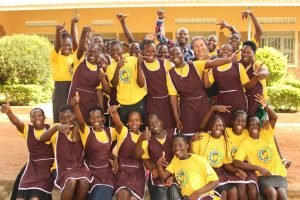
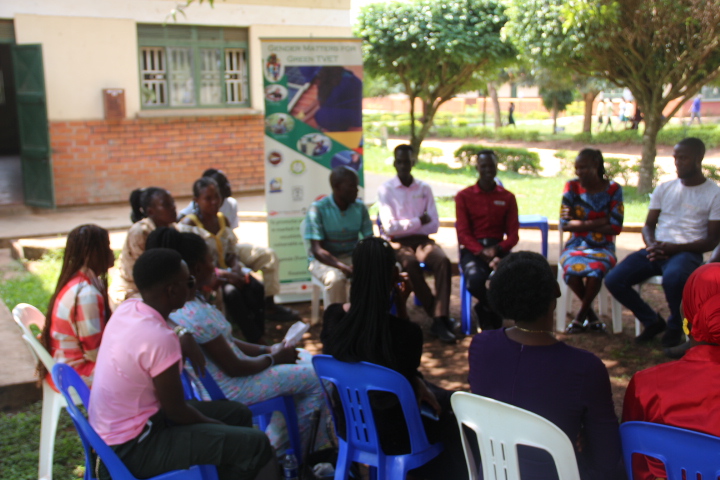
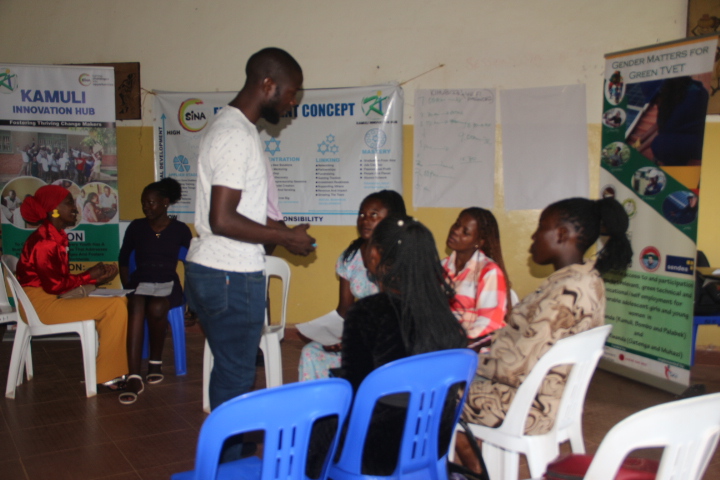
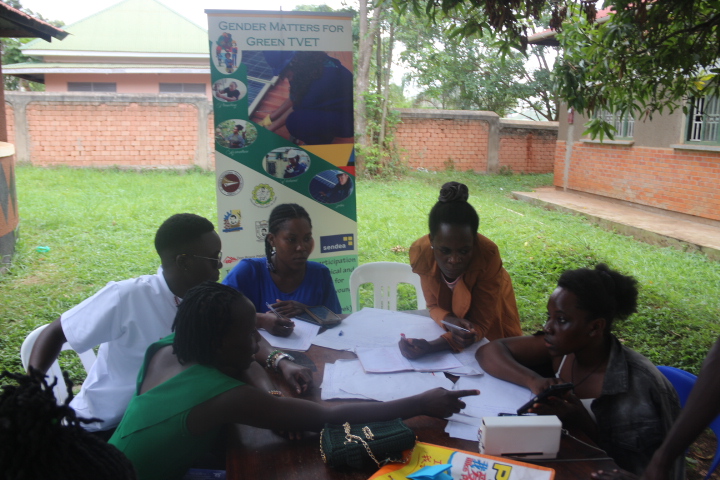
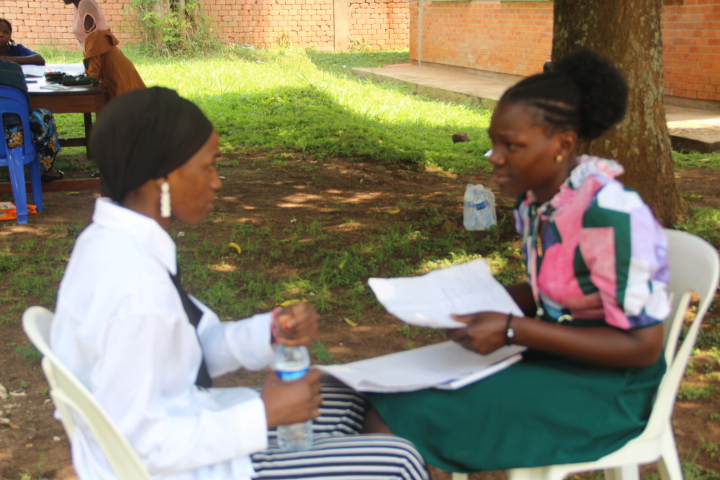
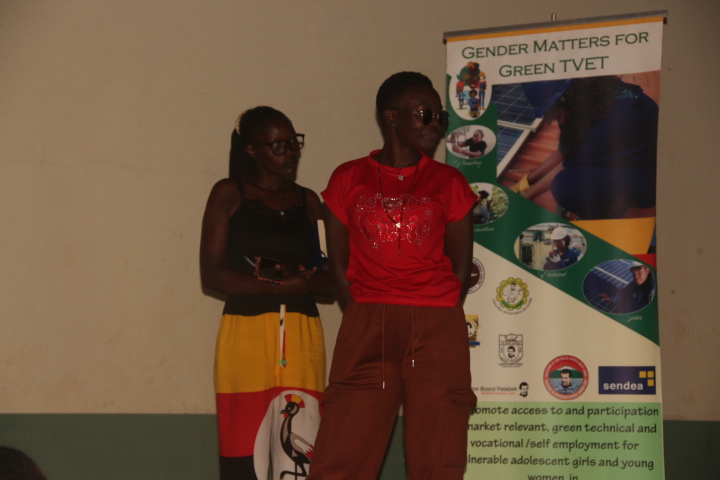
Kamuli, Uganda in a remarkable initiative under the Gender Matters for Green TVET project, St. Joseph Vocational Training Centre conducted a powerful three-day workshop aimed at equipping female graduates with the skills, mindset, and confidence to build sustainable small businesses. Guided by the Design Thinking methodology, the workshop brought together 16 female graduates of 2024 from St. Joseph VTC in an engaging and experiential learning journey that blended innovation, reflection, and practical entrepreneurship.
A timely response to youth unemployment and Gender Equity
Uganda, like many African countries, continues to grapple with high rates of youth unemployment, especially among young women. Many female graduates, despite acquiring technical skills, face limited access to business knowledge, capital, or mentorship. Recognizing this gap, the Gender Matters for Green TVET Project was born out of a desire to build entrepreneurial capacity among young women in a way that centers their realities and aspirations.
The workshop’s goal was simple but powerful: to empower female graduates with practical skills and a growth mindset to ideate, plan, and manage sustainable businesses that respond to real community needs.
Over three intensive days, participants were introduced to the five stages of design thinking: Empathize, Define, Ideate, Prototype, and Test. Each serving as the thematic foundation for the workshop activities.
Day One: Understanding Realities – “Empathize & Define”
The first day focused on empathy and understanding the real-world problems that women face in business and family life. Participants engaged in creative exercises like the “Build Your Dream Product” activity, designed to spark creativity and collaboration.
A session on Empathy Mapping encouraged participants to walk in the shoes of their potential customers, such as market vendors, boda-boda riders, or young mothers. This not only deepened their understanding of customer needs but also highlighted business opportunities embedded in community challenges.
One of the most impactful sessions of the day was “The Balancing Act”, which unpacked the daily tension between family responsibilities and business aspirations. Through role-play, participants simulated common family-business conflicts such as reinvesting profits versus meeting household needs and discussed strategies for boundary setting, communication, and financial discipline.
Using the “How Might We” method, participants reframed problems into innovation opportunities. For example: “How might we help working mothers get affordable childcare?” or “How might we reduce spoilage for market produce?” These insights fueled the first stage of business idea generation, which concluded the day.
Day Two: Creating the Blueprint “Ideate & Prototype”
On the second day, the focus shifted to structure and sustainability. Participants learned how to turn their raw ideas into viable business models using the Lean Business Model Canvas. Through hands-on guidance, each group mapped out key components of their business, problems, customer segments, value propositions, revenue, and cost structures.
Ownership and sustainability were discussed through interactive debates, where participants examined the pros and cons of solo enterprises versus partnerships. Environmental, financial, and social sustainability were also emphasized, with participants reflecting on how their businesses could serve not just profits, but people and the communities.
A highlight of the day was the “Budget the Business” game. Using fake money, income, and expense cards, groups simulated real business budgeting experiencing firsthand the impact of decision-making on profitability.
The day concluded with each group pitching their business idea in a structured 3-minute format, receiving feedback from peers and facilitators. These sessions helped refine ideas and build confidence for public speaking and persuasion.
Day Three: Testing the Dream “Make it Real”
The final day was devoted to testing and refining business ideas. Participants started by reflecting on the previous day’s pitches and the lessons learned. The first major session introduced digital marketing, including how to create WhatsApp Business catalogs, Facebook pages, and design flyers using Canva. Participants created sample digital posters and marketing content to promote their services and products.
Record-keeping was another major focus, with practical guidance on tracking sales, expenses, and inventory. Participants created mock records for their businesses and understood how proper documentation supports growth, accountability, and access to credit.
A standout moment of the day was the Mini-Market Simulation. Each group set up a “stall” and role-played selling their product to other participants acting as customers. This activity tested their pricing, pitching, customer service, and teamwork skills under real-time pressure.
Leadership and communication were also addressed through a blindfold challenge that brought laughter, frustration, and deep insights on the importance of trust and direction in running a business.
The workshop concluded on a high note with Business proposal pitching presentations, photo sessions, and the creation of a WhatsApp group to keep participants connected for mentorship, idea sharing, and peer support.
Powerful Outcomes and Participant Voices:
By the end of the workshop, each participant and group had:
- A refined and community-rooted business idea.
- A working business plan using the Lean Canvas.
- A digital marketing prototype.
- Templates for record keeping.
- Experience in budgeting, pitching, and teamwork.
“This workshop helped me believe that I can start small and grow. The empathy session opened my eyes to the real needs of people in my area. I’m confident to start the piggery project together with my partners next month,” said Namuli Lillian”, one of the participants.
Another participant, “Babirye Veronica”, reflected, “I’ve always had ideas, but I didn’t know how to plan or market them. Now I have a clear business model, and I strongly believe to start and grow my poultry project!”
Conclusion: More than a workshop. A movement begins
The Gender Matters for Green TVET Project’s entrepreneurship workshop was more than just a training. It was a platform for transformation, designed to uplift, equip, and inspire young women to take charge of their futures. Through creative learning, practical skills, and mutual support, the participants left not just with business plans but with belief in themselves.
As these young women return to their communities, they do so not as job seekers, but as job creators ready to contribute to local economies, challenge gender norms, and build businesses that are both profitable and purposeful.
The journey doesn’t end here. Follow-up mentorship, networking, and continuous learning opportunities will ensure that the seeds planted during this workshop continue to grow.
This was made possible with funding from Austrian Development Cooperation and Jugend Eine Welt. This is under the program of Gender Matters for Green TVET, a four years program from 2023 to 2026 being implemented in five Don Bosco TVET Centres in Uganda and Rwanda namely; St. Joseph VTC Kamuli, Don Bosco VTC Bombo, Don Bosco VTC Palabek, Don Bosco TSS Gatenga and Don Bosco TSS Muhazi.
SUBSCRIBE TO OUR NEWSLETTER