National Decent Work Dialogue Calls for Stronger TVET-Industry Partnerships and Better Employment Opportunities for Young People
-
by
pdo
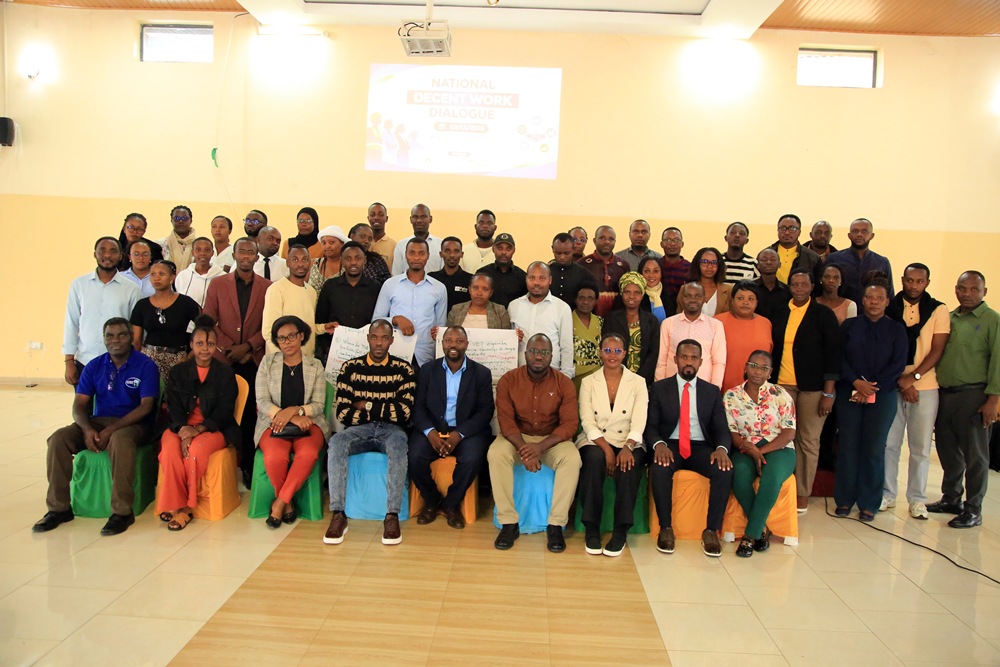
Kigali, Rwanda – November 2026: The Salesians of Don Bosco, through the Planning and Development Office (PDO), with support from Don Bosco Tech Africa, convened a National Decent Work Dialogue in Kigali, bringing together representatives of public institutions, the private sector, civil society, employers, workers, media and Technical and Vocational Education and Training (TVET) institutions.
The dialogue aimed to examine the challenges preventing young people, particularly TVET graduates, from accessing decent and productive employment and identify practical solutions to strengthen the transition from vocational training to the labour market.
The discussions aligned with Rwanda’s National Strategy for Transformation 2 (NST2), which targets the creation of 1.25 million decent and productive jobs by 2029.
Moving Beyond Skills to Decent Employment
Participants emphasized that vocational education must go beyond producing graduates to ensuring that young people acquire relevant competencies and access meaningful employment opportunities.

Presenting on the importance of better training for work, Jean Yves Musabyimana, a Consumer Protection Manager at BPR Bank Rwanda, identified inadequate training equipment, outdated curricula, limited industrial attachments and financial barriers as major obstacles facing TVET graduates.
He called for stronger private sector participation in curriculum development, industry-validated practical assessments and improved access to modern training facilities.
He also proposed establishing a dedicated TVET Youth Security and Transition Fund to support vulnerable learners with training-related expenses and help graduates during the transition into employment or self-employment.

Similarly, Engineer Alice Uwizera, a member of the Private Sector, highlighted the difficulties young graduates face when searching for their first jobs, including experience requirements, limited professional networks, insufficient entry-level opportunities and inadequate access to quality internships.
She encouraged young people to remain open to workplace learning while calling on employers and training institutions to strengthen mentorship, career guidance and practical experience opportunities.
Addressing the Decent Work Challenge
A keynote presentation by Decent Work Consultant Mr. Mukundabantu highlighted the gap between employment growth and the quality of jobs available in Rwanda.
Citing the 2025 Labour Force Survey, he noted that although Rwanda has made progress in reducing unemployment, 81.3% of employed people remain in informal employment.

He emphasized that decent work must provide fair income, workplace security, social protection and dignity, rather than simply offering an opportunity to earn a living.
The presentation also highlighted gender inequalities in employment, with women facing higher unemployment and labour underutilization rates than men.
Participants agreed that employment strategies must address these inequalities while ensuring that young people and vulnerable groups have equal opportunities to access decent work.
Strengthening Cooperation Between Training Institutions and Industry
Group discussions identified weak communication between employers and TVET institutions as one of the major reasons vocational training does not always translate into employment.
Participants recommended establishing formal Memoranda of Understanding between TVET institutions and industries to support curriculum development, practical training and structured workplace attachments.
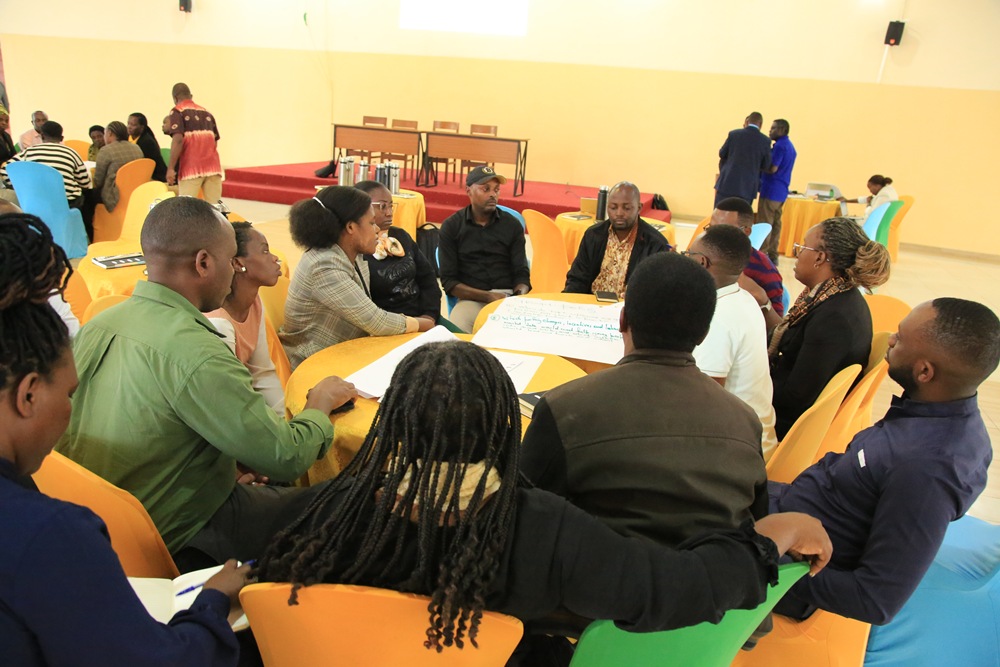
They also called for longer and better-supervised internships, stronger employment service centres and increased awareness of existing youth employment programmes.
The Private Sector Federation (PSF) was proposed to play a leading role in coordinating industry partnerships and workplace attachments, while the National Skills Development Fund (NSDF) was identified as a proposed anchor for financing and tracking these initiatives.
Participants further called on the Ministry of Public Service and Labour (MIFOTRA) to review experience requirements for entry-level positions, which often prevent fresh graduates from accessing their first employment opportunities.
A Shared Commitment to Youth Empowerment
The dialogue reinforced the importance of shared responsibility among young people, training institutions, employers, government and development partners.
Young people were encouraged to continuously develop their competencies, build professional networks and embrace workplace learning. TVET institutions were urged to strengthen career guidance and monitor graduate employment outcomes, while employers were called upon to provide meaningful internships, apprenticeships and entry-level opportunities.
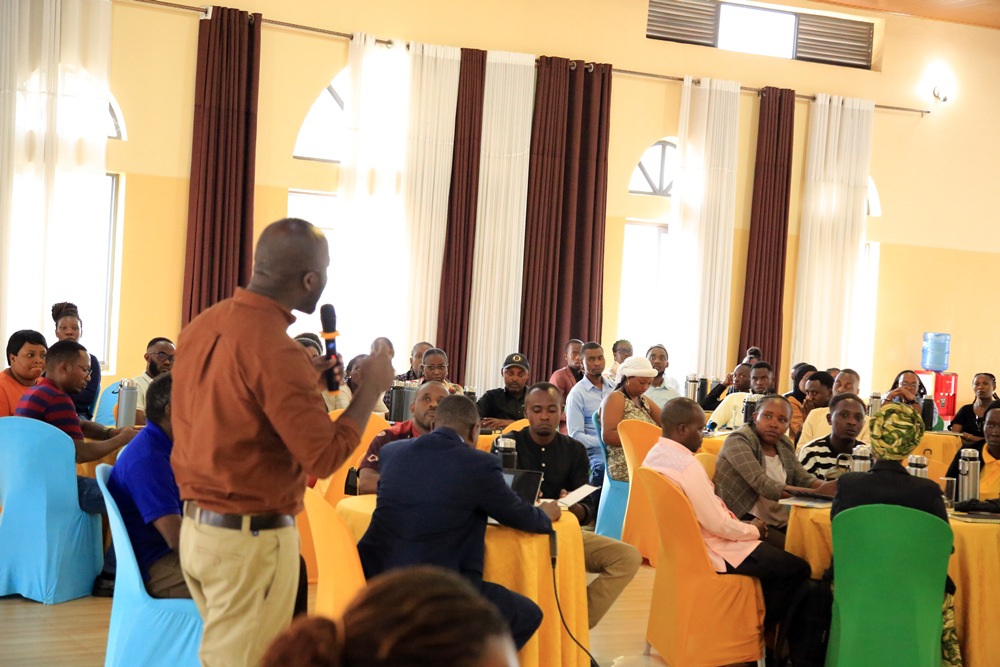
For the Planning and Development Office, the discussions reaffirmed the importance of connecting education, skills development and employment as essential components of youth empowerment and social inclusion.
The Salesians of Don Bosco, through its vocational training and youth development initiatives, remain committed to supporting young people, particularly those from vulnerable backgrounds, to access quality education, develop practical competencies and pursue dignified livelihoods.
The central message emerging from the dialogue was that graduation should not mark the end of a young person’s educational journey, but the beginning of an opportunity to apply acquired skills, gain experience and contribute meaningfully to society.
Achieving decent work requires more than training young people. It requires an enabling environment where their skills are recognized, their potential is supported and their contribution to economic development is valued.

SUBSCRIBE TO OUR NEWSLETTER