KAMULI: Don Bosco TVET Stakeholders Call for Stronger Industry Partnerships to Bridge Skills Gap
-
by
pdo
KAMULI, UGANDA — Stakeholders from industry, Technical and Vocational Education and Training (TVET) institutions, employers and other sectors have called for stronger and more structured collaboration between training institutions and industry to ensure graduates acquire skills that match the changing demands of the labour market.
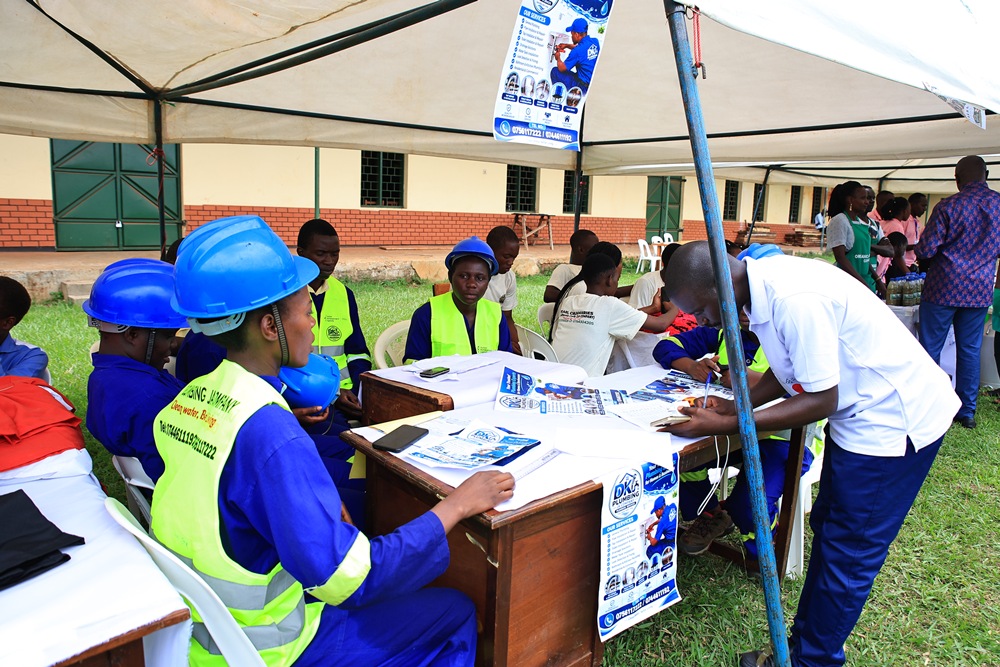
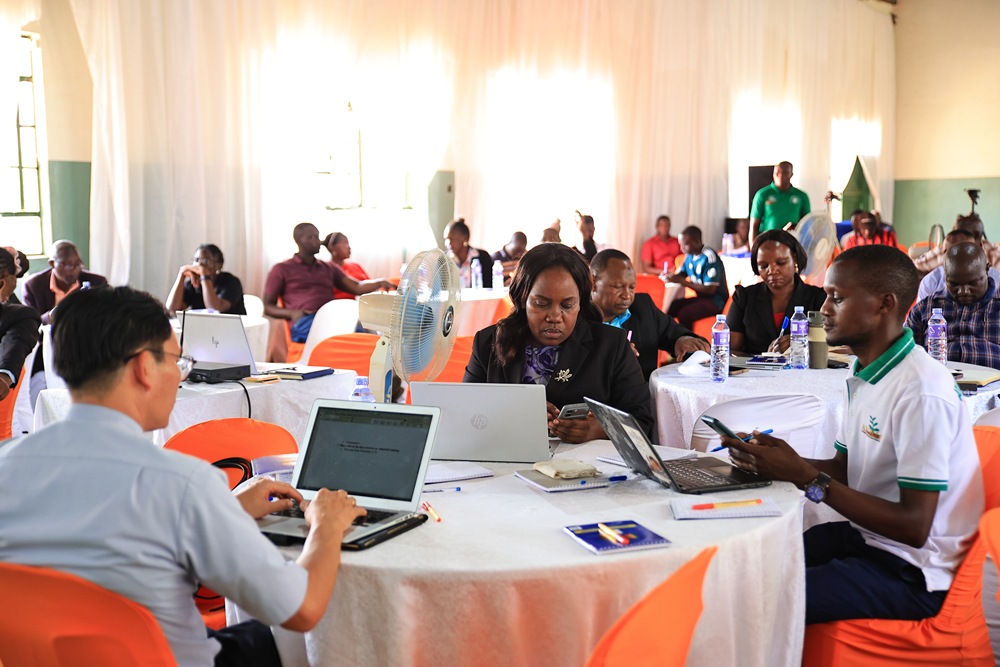
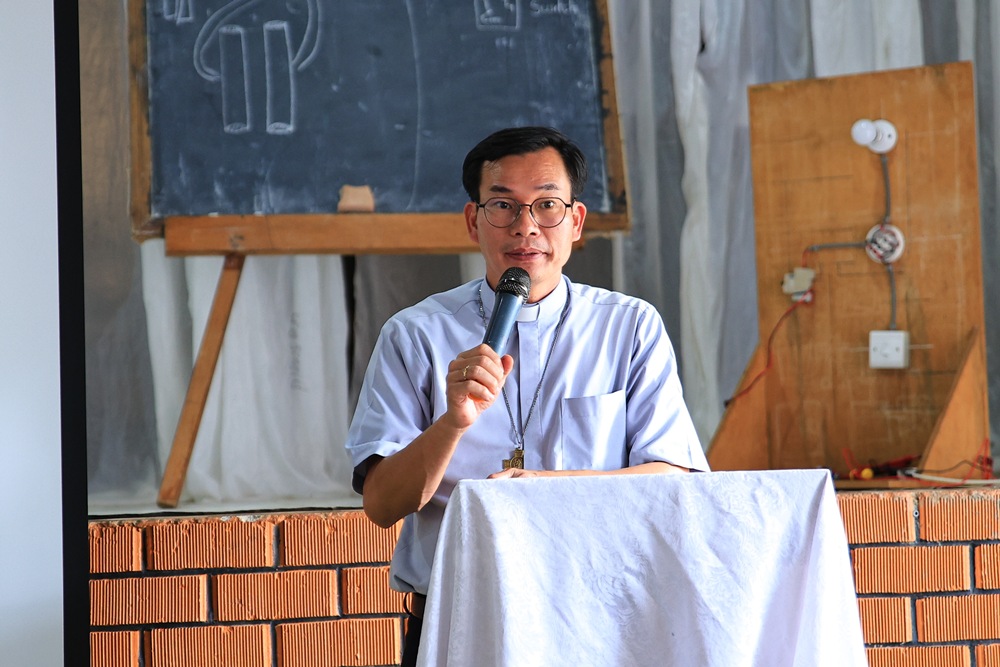
The call was made during a Labour Market Stakeholders Assembly for the Eastern Region held at St. Joseph Vocational Training Centre Kamuli under the theme, “Bridging the Skills Gap: Advancing Industry–TVET Collaboration for Sustainable Skills and Employability.”
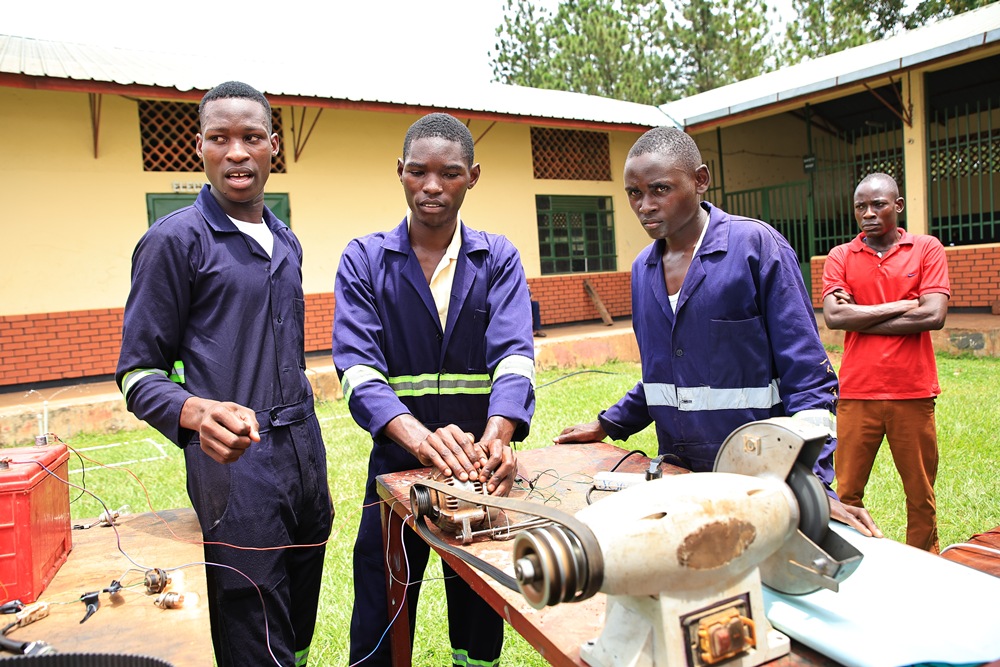
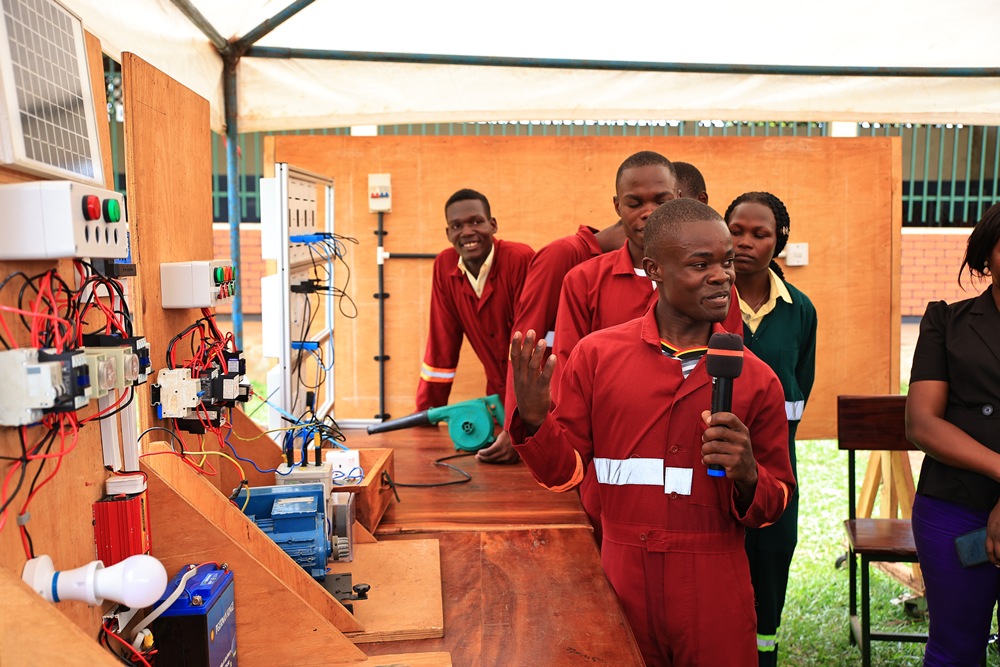
The engagement brought together industry representatives, employers, TVET practitioners, Don Bosco TVET Centres, graduates and other stakeholders to discuss the competencies required by employers and ways of strengthening collaboration between training institutions and the workplace.
Employers seek workplace-ready graduates
A key issue discussed during the meeting was the need for TVET graduates to possess more than theoretical knowledge. Employers highlighted practical competence, problem-solving, professionalism, adaptability and the ability to operate effectively in real workplace environments as important attributes.
Technical skills remain essential, but stakeholders also emphasized communication, teamwork, time management, workplace safety, ethics and the ability to respond positively to supervision and feedback. Training institutions were encouraged to maintain regular engagement with industry to ensure that curricula, equipment, assessment methods and teaching approaches remain relevant to technological and workplace changes.

The discussions also identified growing demand for a combination of technical, digital, entrepreneurial, interpersonal and transferable skills. These include digital literacy, critical thinking, communication, creativity, adaptability, occupational safety, environmental sustainability, entrepreneurship and customer service.
The meeting underscored the importance of combining what graduates know, what they can do and how they conduct themselves in the workplace.
Industrial training seen as a bridge to employment
Stakeholders identified industrial training, internships and apprenticeships as important mechanisms for helping young people transition from classrooms into employment.
However, participants stressed that workplace placement should go beyond simply giving students a place to work. Effective industrial training should be structured around clear learning objectives, defined competencies, supervision, safety requirements and assessment.
Among the proposed practices were matching students with workplaces according to their specialization, preparing trainees before placement, assigning workplace mentors, conducting monitoring visits, using competency-based assessment tools and providing regular feedback.
Stakeholders also encouraged employers to create opportunities for outstanding interns and apprentices to transition into employment.
Challenges remain
Despite the importance of workplace-based learning, stakeholders identified several challenges, including limited quality placement opportunities, differences between training equipment and current industrial technologies, inadequate supervision and mentorship, transportation and accommodation costs, safety concerns and limited opportunities for longer-term apprenticeships.
Participants therefore emphasized that industrial training should be treated as a shared responsibility involving TVET institutions, employers, government, trainees and other relevant stakeholders, rather than being left to training institutions alone.
From training to employment and entrepreneurship
The engagement also examined experiences with Don Bosco graduates and the different pathways available to them.
Potential employment areas identified included construction, electrical installation, automotive mechanics, welding and metal fabrication, carpentry, plumbing, agriculture and agribusiness, hospitality, renewable energy, textiles, repair services and small and medium-sized enterprises. Participants also highlighted self-employment and entrepreneurship as important pathways for TVET graduates.

The stakeholders noted that employment should not be understood solely as securing formal salaried positions. Graduates can also create employment through businesses, cooperatives, contract work, farming enterprises, workshops and other entrepreneurial activities.
Call for long-term industry partnerships
One of the key recommendations from the meeting was the development of long-term institutional partnerships between Don Bosco TVET Centres and industry.
Proposals included establishing industry advisory committees, expanding apprenticeships and dual-learning opportunities, developing formal partnership agreements, increasing industry exposure for trainers, conducting joint curriculum reviews and strengthening graduate employment linkages.
Stakeholders also proposed stronger entrepreneurship support and joint innovation and production projects through which students, graduates, instructors and industry partners can work together on practical challenges.

The engagement concluded that bridging the skills gap requires continuous dialogue, practical collaboration, shared responsibility and mutual investment. Training institutions need to remain responsive to industry requirements, while employers can contribute through workplace learning, mentorship, apprenticeships and employment opportunities.
For Don Bosco TVET Centres, stronger industry engagement is expected to support competency-based training, practical learning, entrepreneurship, digital skills and career development while helping graduates remain relevant to the labour market.
The initiative was supported by Austrian Development Cooperation and Jugend Eine Welt and forms part of the Gender Matters for Green TVET programme, a four-year initiative running from 2023 to 2026 across five Don Bosco TVET Centres in Uganda and Rwanda.










SUBSCRIBE TO OUR NEWSLETTER