From Commitment to Action: Implementing Gender-Responsive Change in Don Bosco TVETs in Rwanda and Uganda.
-
by
pdo
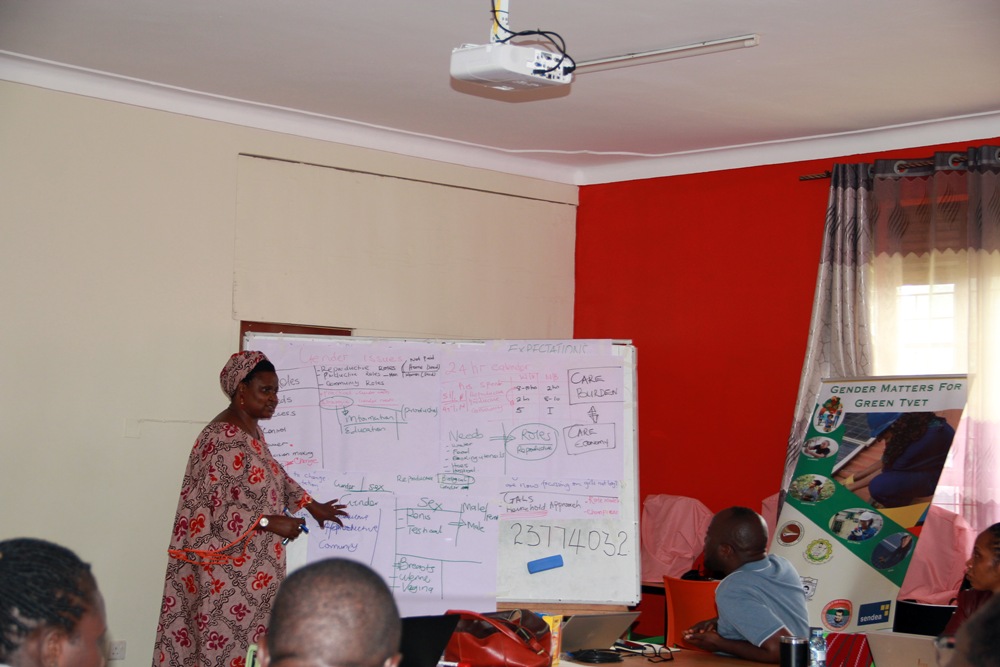
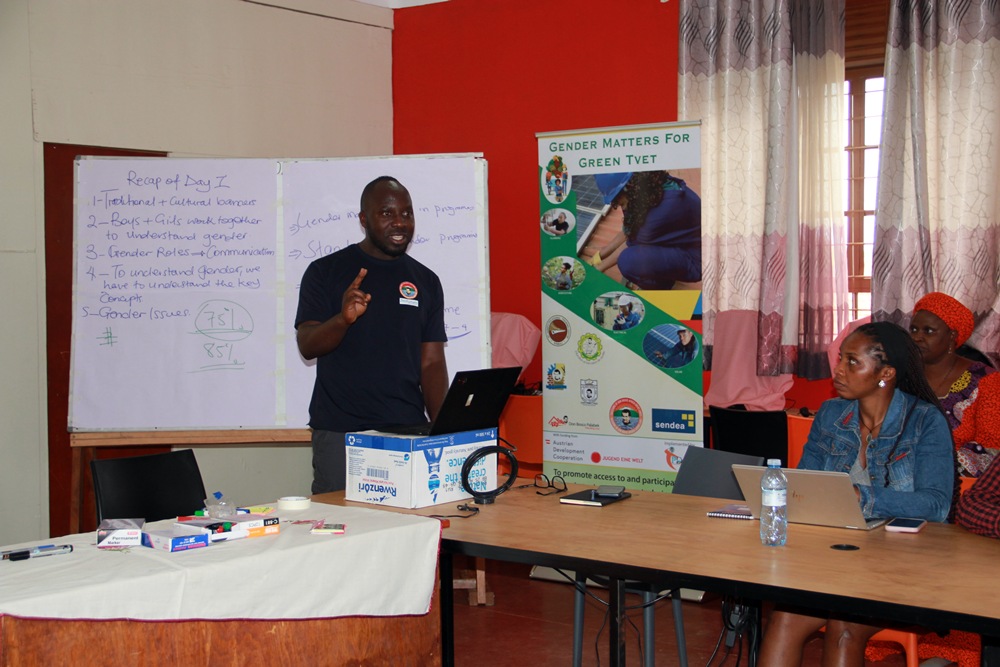
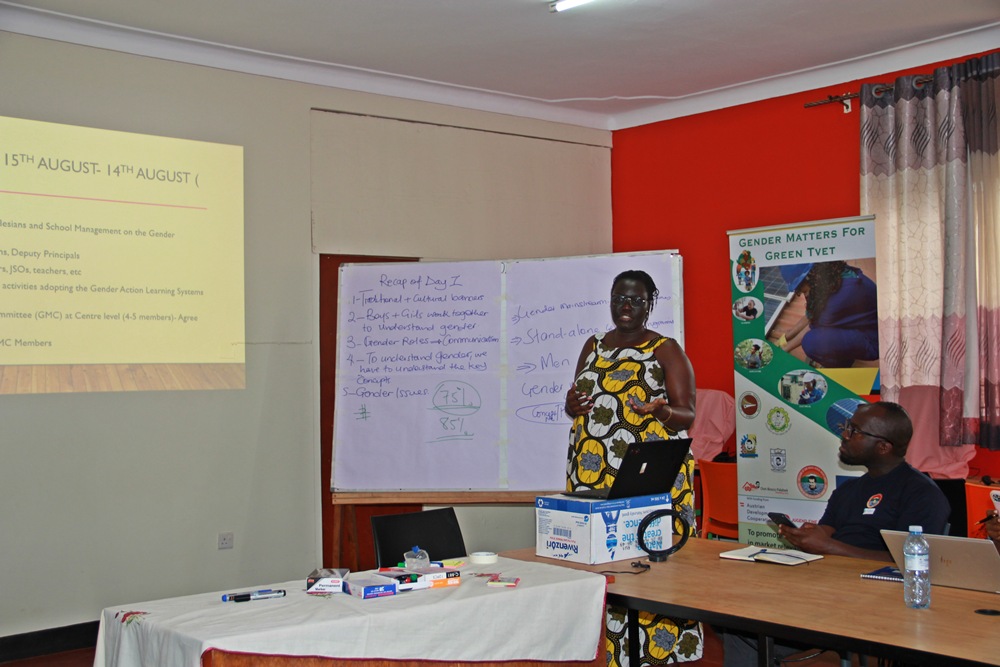
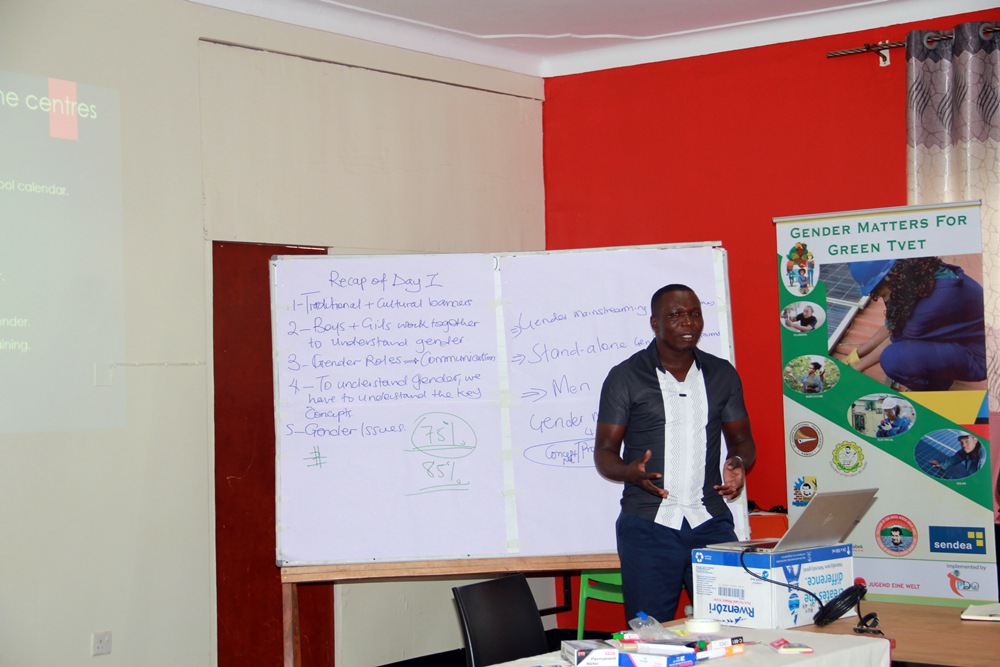
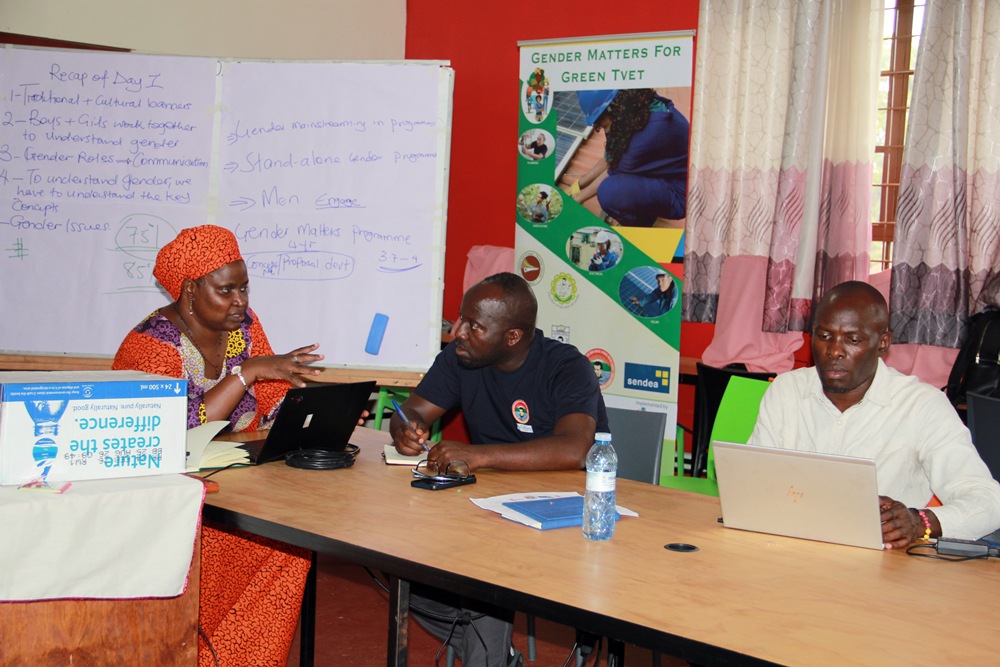
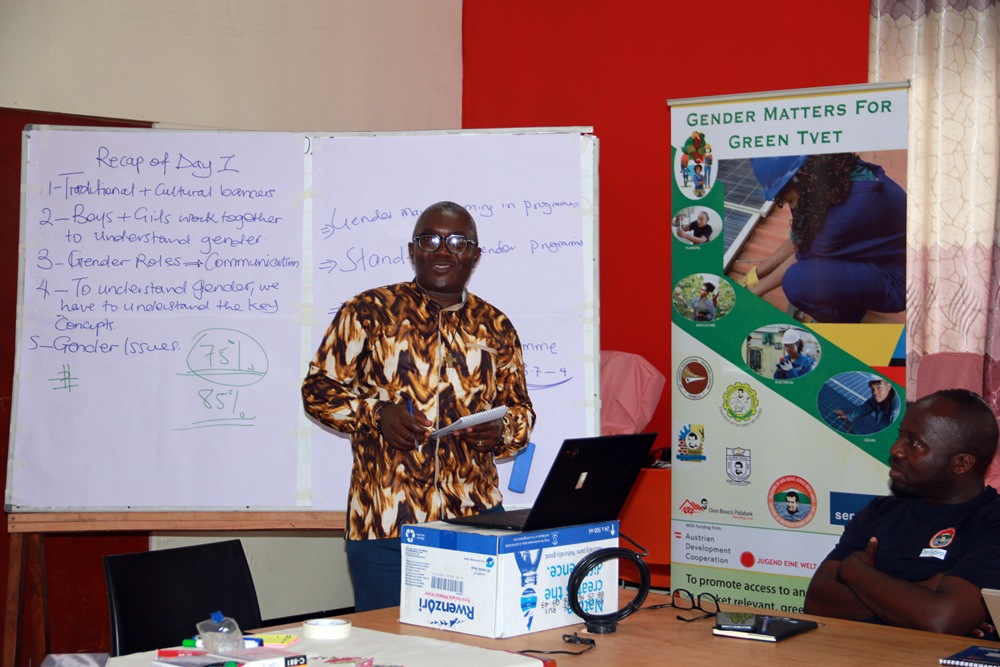
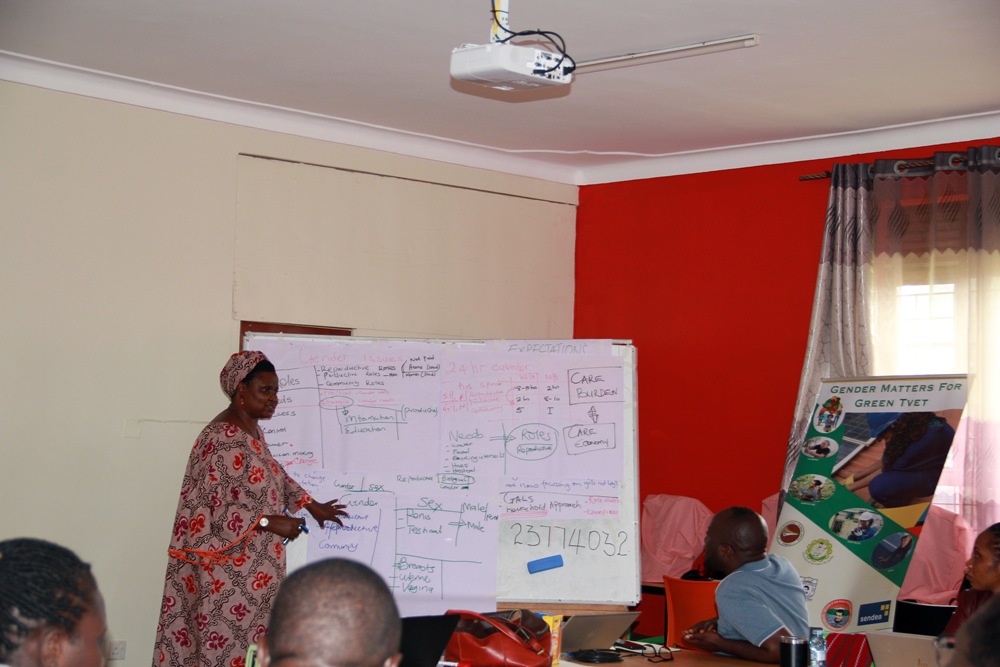
On May 14, 2026, stakeholders gathered at Don Bosco Namugongo for a pivotal dissemination session focused on the SBD Gender Policy. Facilitated by Ms. Joselyn Bigirwa the consultant who supported the policy’s development, the workshop aimed to move beyond mere documentation toward practical, gender-transformative programming within Don Bosco TVET centers and their surrounding communities.
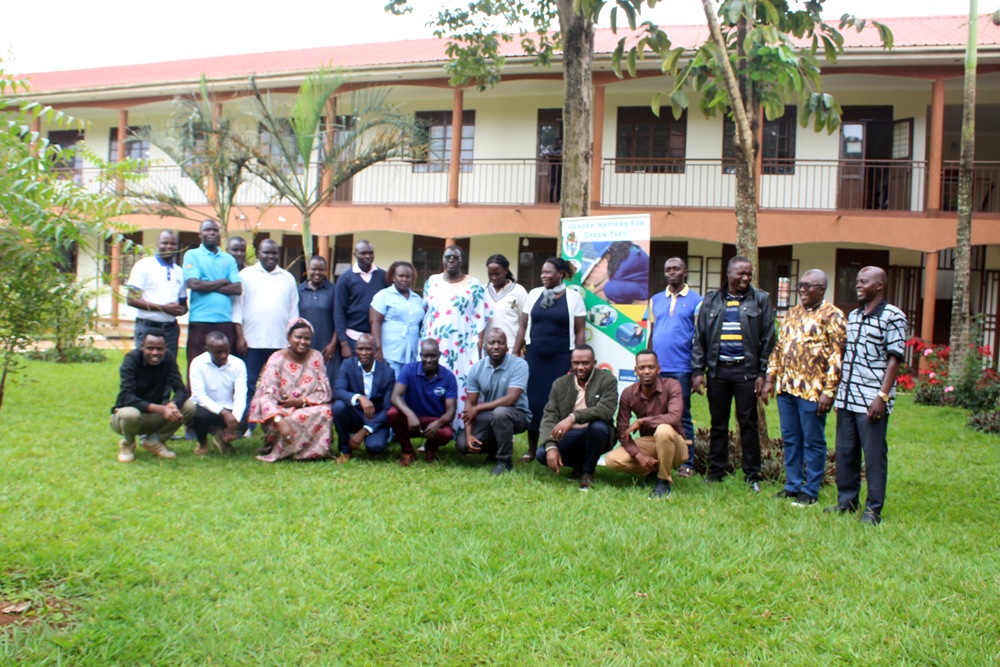
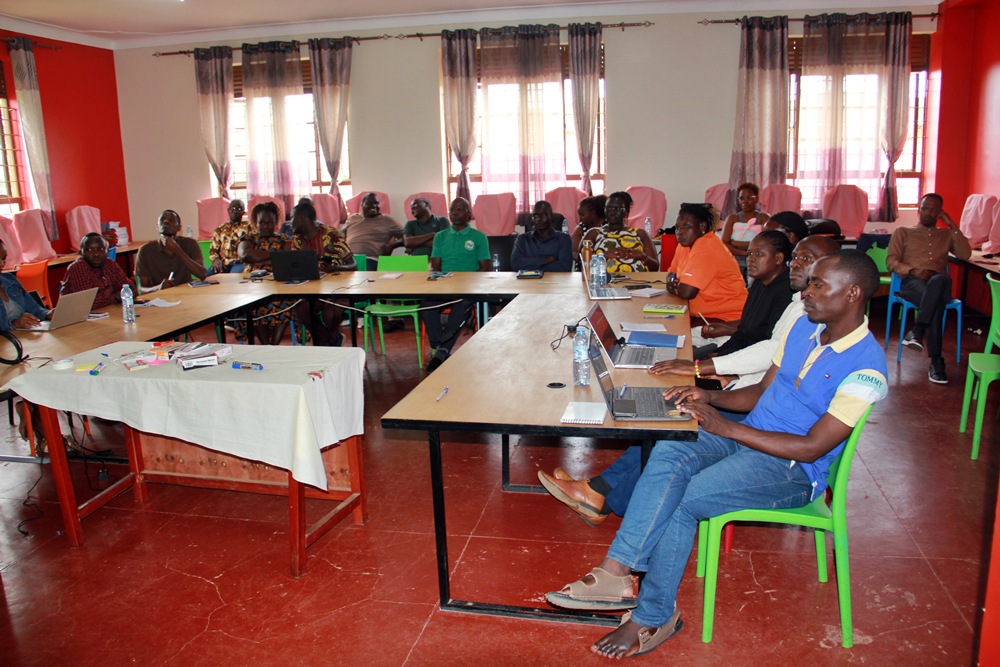
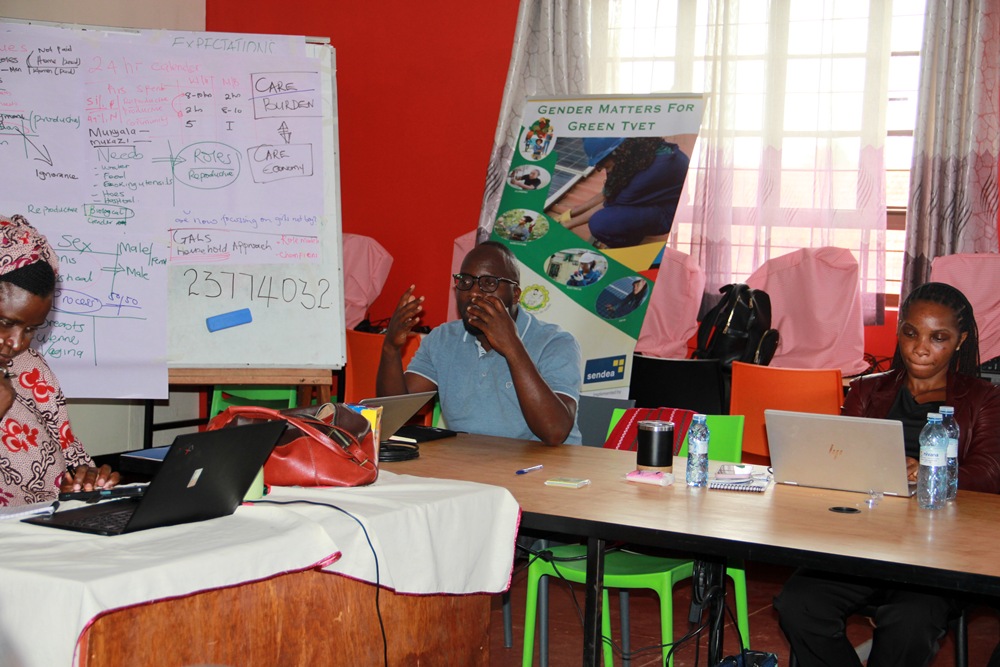
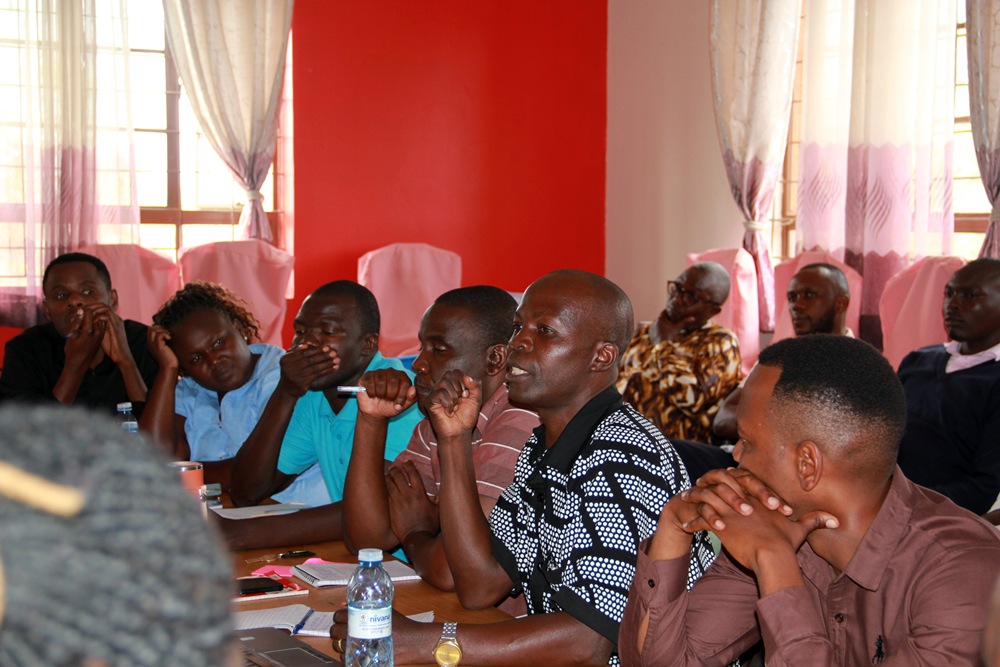
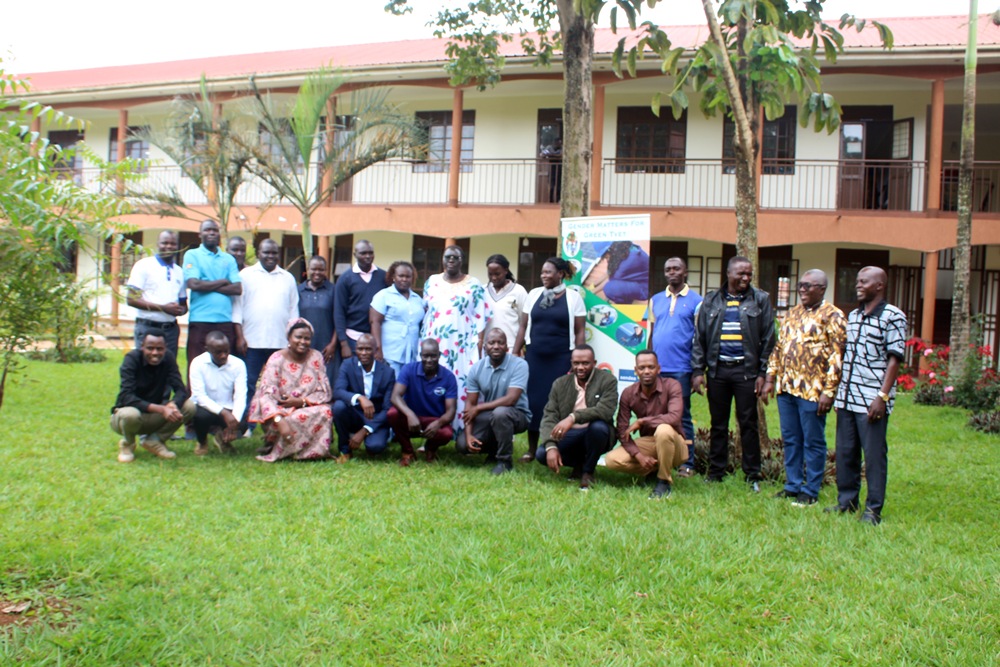
The two days’ workshop was attended by 27 (10F & 17M) participants from the five SDB TVETs across Uganda (Bombo, Kamuli and Palabke) and Rwanda (Gatenga and Muhazi) composed of TVET Principals, Gender Officers, Job Service Officers, Dean of studies, and PDO representative.
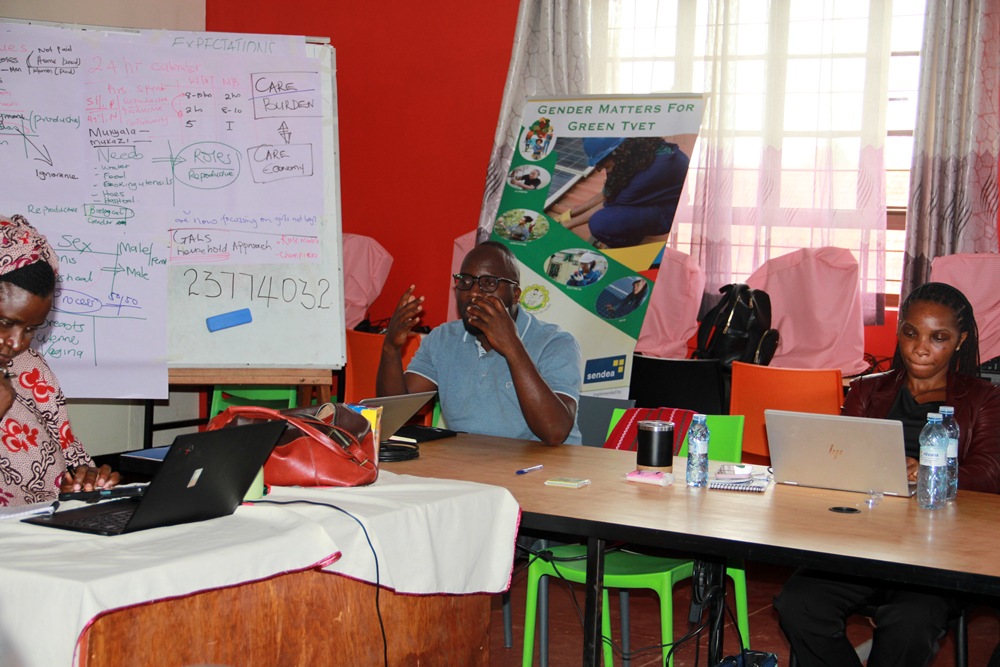
The workshop was also embraced by the Director of Planning and Development Office/Provincial Economer Fr. Servilien Ufitamahoro who in his opening remarks appreciated the Gender Matters for Green TVET programme for supporting the process of developing the Gender Policy. He called upon all stakeholders to support the implementation of the policy within their TVET Centres.
Understanding Gender as a Social Construct
The workshop explored gender as a set of socially constructed relations and expectations that vary by culture and evolve over time. Participants discussed local examples, such as the tradition of women building houses in Karamoja or the cultural expectation that men should not show emotions. By recognizing that these norms are not fixed, the policy seeks to promote gender justice, ensuring fairness and equal opportunities for men, women, boys, and girls to contribute to national development.
Strategic vs. Practical Needs
To create lasting change, the facilitator emphasized the difference between practical gender needs; such as immediate access to food, water, and healthcare and strategic gender needs. The latter focuses on long-term equality, including equal pay for equal work, access to information, and the right to participate in decision-making processes.
The session highlighted that power is often tied to economic resources like land and income. In many communities, even when women contribute significantly to household welfare, they lack control over major assets, which limits their independent decision-making power.
The Way Forward: Leadership and Community Engagement.
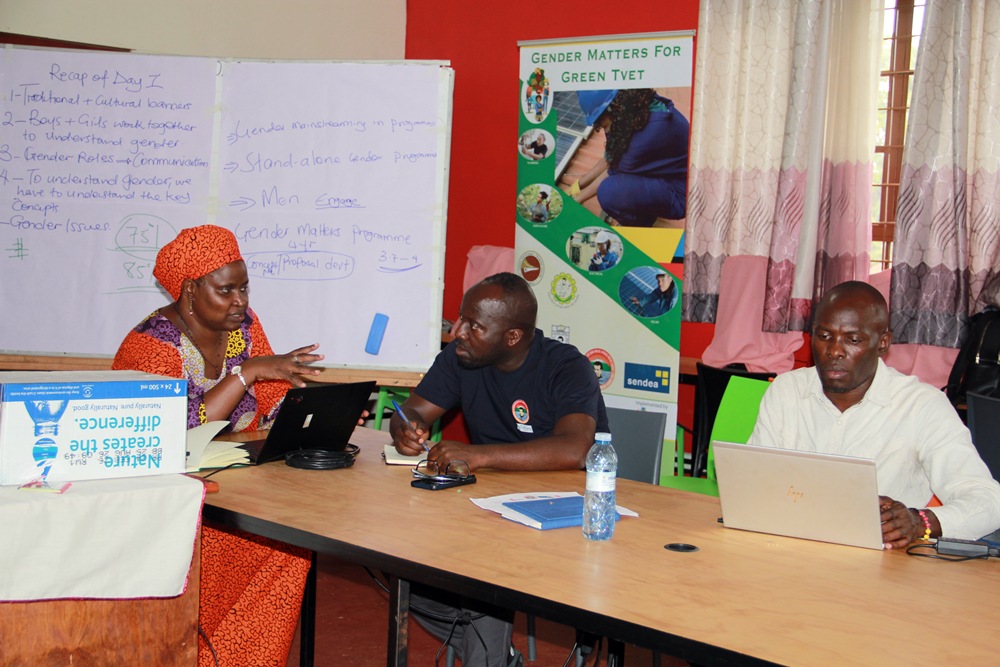
The successful implementation of the SBD Gender Policy relies on strong leadership and the involvement of the entire community, including religious leaders and male champions. Participants recommended using the Gender Action Learning System (GALS) methodology to promote joint planning within families and conducting root-cause analyses to address the underlying issues of inequality.
As the session concluded, the message was clear: gender equality is not just a checkbox but a continuous process of social norm change that requires practical commitment from the highest levels of management to the daily operations of every school and workplace.
This entire process from the Gender Policy development to the dissemination is supported by the “Gender Matters for Green TVET” program (2023-2026), a four-year project implemented with funding from the Austrian Development Cooperation and Jugend Eine Welt.

SUBSCRIBE TO OUR NEWSLETTER