Gender equity and inclusivity workshop imparked TVET stakeholders with strong commitments
-
by
pdo
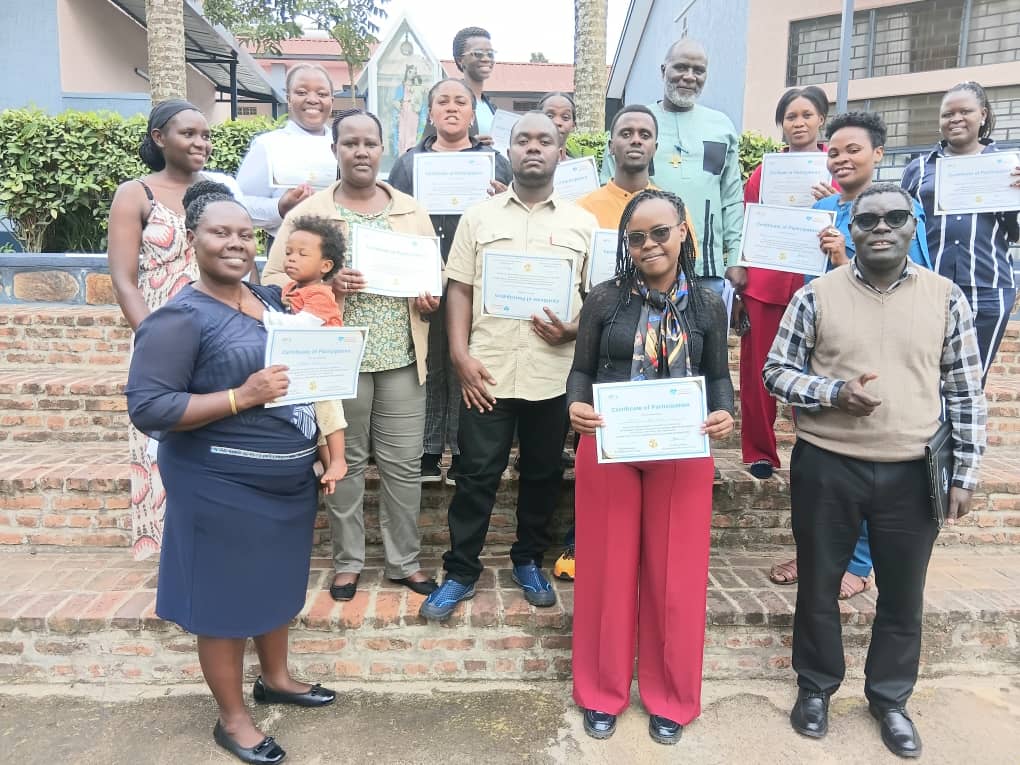
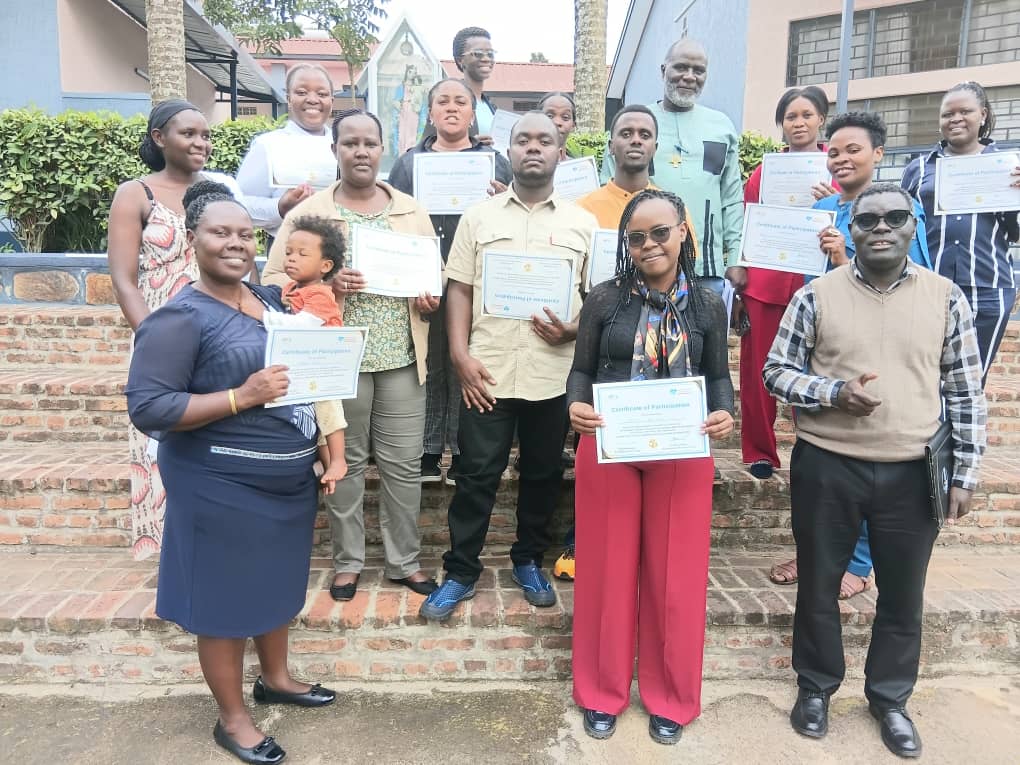
A five-day training workshop on Gender and Inclusivity in Technical and Vocational Education and Training (TVET) has successfully concluded at DON Bosco Hospitality Centre in Gatenga.
Organized by the Planning and Development Office (PDO) in collaboration with Don Bosco Tech Africa (DB-TECH Africa), the workshop brought together educators, administrators, and policy-makers from both public and private institutions across the country.
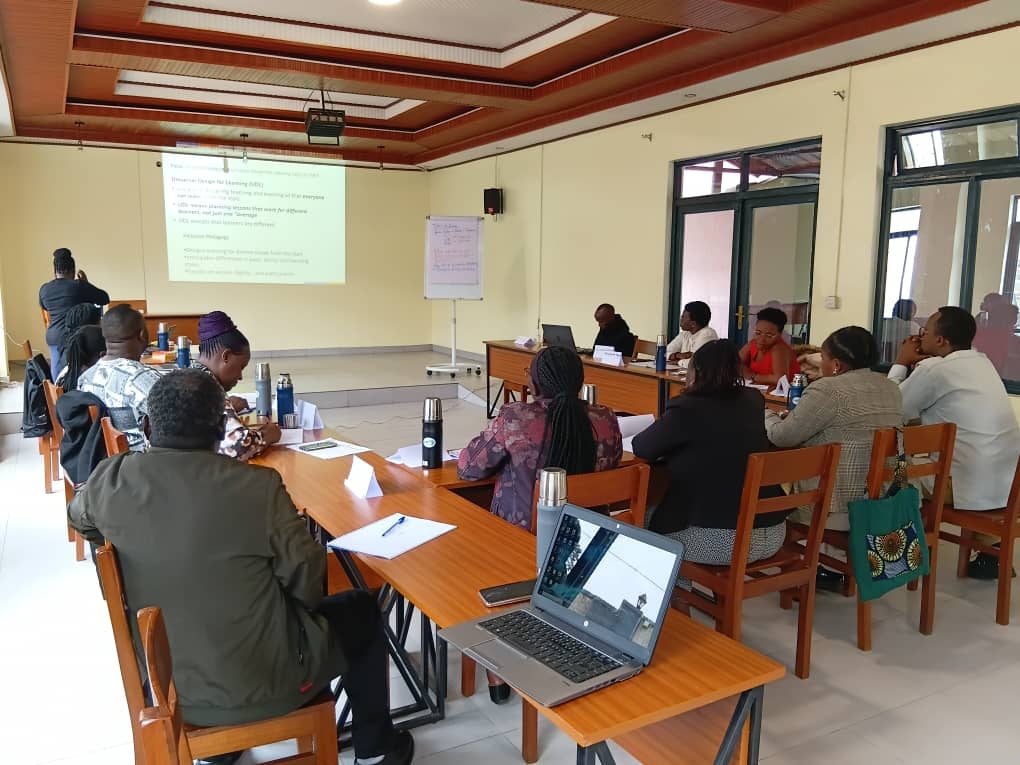
The training focused on strengthening participants’ capacity to integrate gender-responsive and inclusive approaches into TVET systems. Over the course of five days, attendees explored practical strategies to address barriers that limit equal access to technical education, particularly for women and marginalized groups.
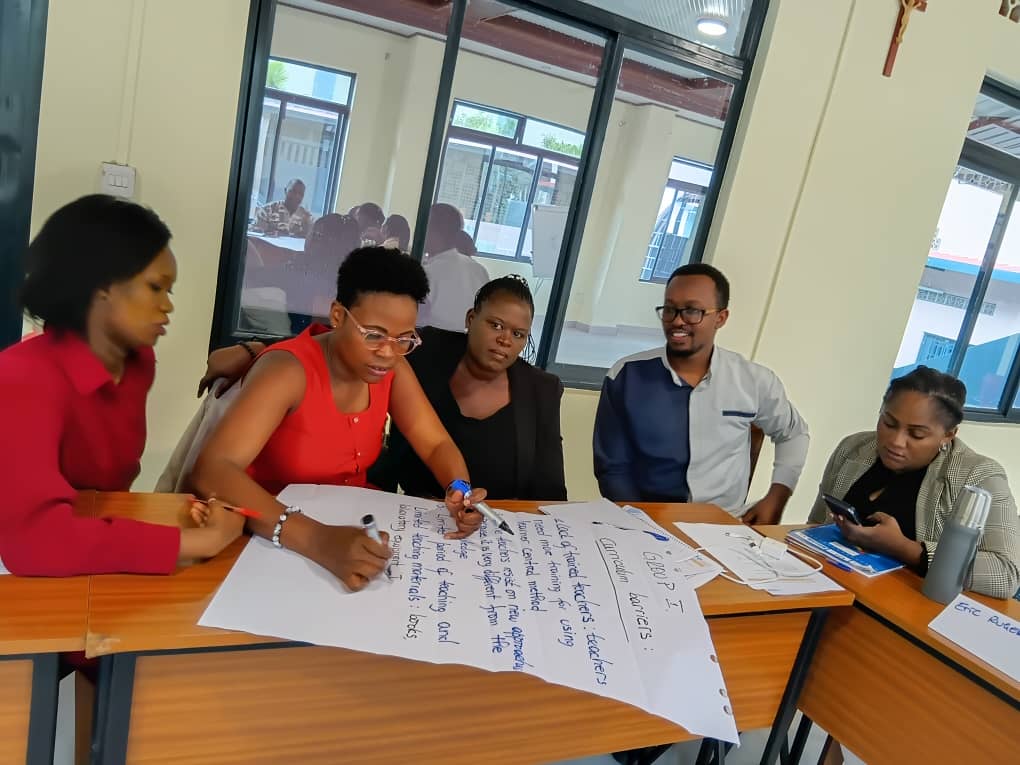
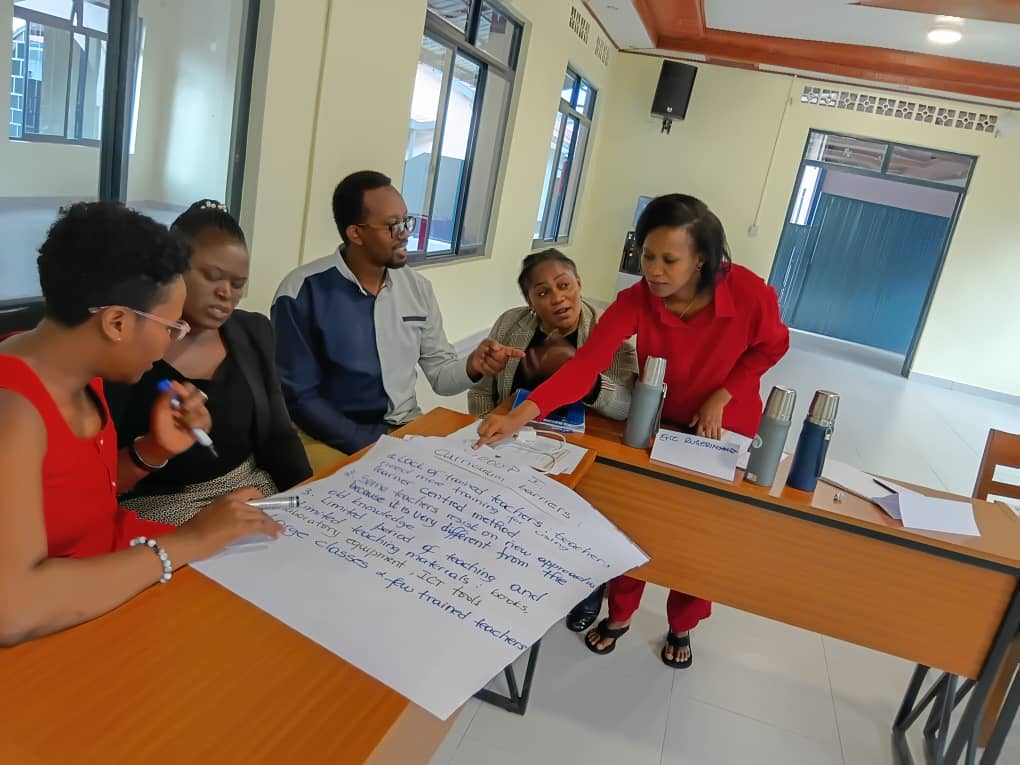
Through interactive sessions including group discussions, case studies, and peer learning participants identified key institutional challenges and collaboratively designed solutions aimed at fostering inclusive learning environments.
Sophie Muberarugo who fully participated in the workshop shared how the training reshaped her understanding of inclusion in education: “Before this workshop, I thought gender inclusivity was mainly about increasing the number of female students. But now I understand that it goes much deeper it is about creating an environment where every learner feels safe, respected, and supported to succeed.”
I have learned how unconscious bias can affect the way we teach and interact with students. For example, sometimes we may unintentionally encourage boys more than girls in technical tasks. I am now committed to changing my teaching approach to ensure equal participation.
When I return to my institution, I plan to share this knowledge with my colleagues and advocate for policies that support girls, especially in male-dominated trades.”
Liliose Niyigena another participant emphasized the impact of the training:
“This workshop has been very practical and eye-opening. As an administrator, I now realize that inclusivity is not just the responsibility of teachers it must be reflected in policies, infrastructure, and daily practices within the institution.
We discussed issues such as sanitation facilities, safety, and reporting mechanisms for gender-based challenges. These are things we sometimes overlook, yet they greatly affect students’ ability to learn comfortably.
I am leaving this training with a clear action plan. I intend to work with my team to review our school policies and ensure they are gender-responsive and inclusive for all learners.”
Eric Rugerinyange participant highlighted the importance of shared responsibility: “One of the most important lessons for me is that gender inclusivity is not a ‘women’s issue ‘it is a collective responsibility. As men, we also have a role to play in creating fair and respectful learning environments. the discussions helped me reflect on my own attitudes and behaviors. I now better understand how small actions or words can either encourage or discourage learners, moving forward, I will actively support initiatives that promote equality in my institution and ensure that all students regardless of gender are given the same opportunities to grow and succeed.”
Faith Munyalo a representative from DBTECH Africa highlighted the broader vision of the initiative: “This training is part of our ongoing commitment to strengthening TVET systems across the region. We believe that quality education must go hand in hand with inclusivity.
Over the past five days, we have seen strong engagement and willingness from participants to become agents of change. The real impact of this workshop will be measured by how these ideas are implemented in their respective institutions.
We are confident that the participants will take forward the knowledge and tools acquired here to create more inclusive and equitable learning environments.”
Marion Akwap, the workshop facilitator reflected on both the process and expected outcomes:
“What stood out during this training was the level of openness and commitment from participants. They were willing to share real challenges from their institutions and work together to find practical solutions.”
Our approach was not only to provide theoretical knowledge but also to ensure that participants leave with concrete strategies they can implement immediately. We focused on building skills in identifying gaps, designing inclusive policies, and monitoring progress.
I am optimistic that this group will drive meaningful change. If the action plans developed during this workshop are effectively implemented, we will see significant improvements in making TVET more inclusive and accessible to all.”
By the end of the workshop, participants developed a set of guidelines and actionable recommendations aimed at mainstreaming gender inclusivity within TVET institutions. These outputs are expected to serve as a practical reference for improving policies, teaching practices, and institutional environments.
PDO and DBTECH expressed confidence that the training marks an important step toward building a more inclusive, resilient, and effective TVET system in Rwanda. The initiative reinforces the commitment to ensuring that technical education not only equips learners with skills but also promotes equity, dignity, and equal opportunity for all.
SUBSCRIBE TO OUR NEWSLETTER