Empowering Women Through Green Skills: The Transformative Impact of the Gender Matters for Green TVET Programme
-
by
pdo
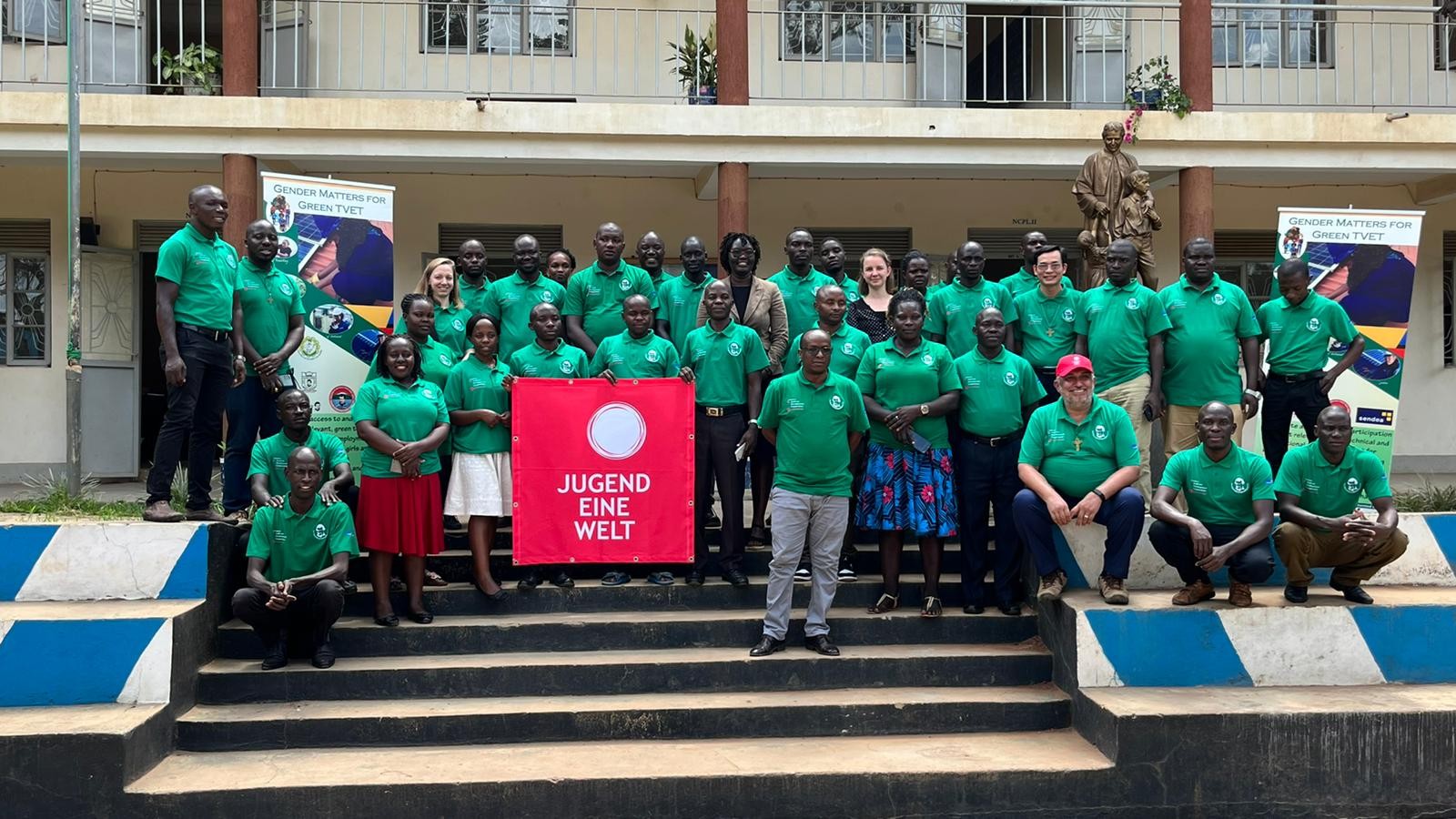
In a concerted effort to promote market-relevant, green technical and vocational employment for vulnerable adolescent girls and young women, the “Gender Matters for Green TVET Programme” is reshaping futures in East Africa. Operating from 2023 to 2026 across five Don Bosco Technical and Vocational Education and Training (TVET) centres in Uganda and Rwanda, this initiative is heavily supported by funding from the Austrian Development Cooperation and designed by Jugend Eine Welt. The program specifically addresses gender-specific barriers to entry, focusing on both physical access and attitudinal shifts to promote the enrollment of young women into Science, Technology, Engineering, and Mathematics (STEM) and green vocational fields.
Dismantling Barriers and Fostering Safe Spaces
Historically, societal stereotypes and biases have kept young women out of male-dominated TVET spaces. To counter this, the program has implemented comprehensive infrastructure and policy changes to create a conducive learning environment. Over the past three years, the initiative has successfully constructed girls’ toilets, rehabilitated dormitories and a day care center, and set up changing rooms equipped with dignity kits. Furthermore, to ensure emotional and psychological well-being, counseling units and safe spaces known as “Gender and Green Clubs” have been established, allowing students to freely discuss environmental and gender-related topics.
The implementation of the Protection from Sexual Exploitation, Abuse and Harassment (PSHEA) policy, along with continuous refresher training, ensures a safe environment for all learners. Additionally, the program has recruited specialized Gender Officers to provide technical support on gender issues, and Job Service Officers (JSOs) to facilitate the transition of graduates into the labor market.
Bridging the Gap to Employment and Entrepreneurship
Beyond technical training in areas like electrical, solar, plumbing, and agriculture, the program heavily emphasizes practical employability and business skills. Formal collaborations with Junior Achievement Uganda and the Association of Sendea Uganda LTD have strengthened the entrepreneurial acumen of the students. Students also benefit from “Green Modules,” which integrate environmental conservation directly into their coursework.
A critical component of the students’ success is the post-graduation support provided by the program. This includes social protection grants, scholarship programs to aid vulnerable youth, and crucial seed funding for female graduates looking to establish their own businesses.
Real-World Success: Breaking Ceilings in Male-Dominated Industries
The true measure of the programme’s success lies in the remarkable stories of its graduates, who are now thriving in formally male-dominated fields:
- Menya Fortunate: Coming from a humble background in Kamuli District, Fortunate pursued a National Certificate in Plumbing at St. Joseph VTC. After completing three internships, she secured formal employment through her JSO at Kakira Sugar LTD as a Fitter 2 technician in irrigation. Today, she successfully leads a team of five men, earns a stable salary to support her family, and plans to eventually pursue a Ph.D..
- Rebecca Among: A graduate of Don Bosco VTC Bombo, Rebecca utilized the JSO’s networking to land a position as an Electrician with the Casement Group of Companies Limited. Working on massive industrial sites, she has moved into advanced electrical maintenance and now mentors new apprentices, proving that women can thrive in high-voltage environments.
- Ayoo Joan: Before joining Don Bosco VTC Palabek, Joan faced severe financial constraints that halted her education. Supported by scholarships, counseling, and the provision of reusable sanitary pads, she completed her electrical installation course. She is now an empowered domestic electrician working with Oceco Electrical Company Limited, transforming her life from “grass to grace”.
Cultivating Wealth Through Self-Employment
For many graduates, the program’s seed funding has sparked thriving entrepreneurial ventures:
- Kwagala Gorret: Driven by a love for physics, Gorret pursued an electrical installation course at St. Joseph VTC Kamuli. Armed with seed funding, she opened her own electrical shop in Kamuli Municipality. She now earns an average of 900,000 Ugx monthly from both retail sales and installation services, allowing her to support her siblings’ education without the need for formal employment.
- Namusosa Lydia: Inspired by her grandfather, Lydia studied Agriculture Production. With program seed funding, she started a piggery project and subsequently opened an agro-shop called “Hope Farmers Supply Kamuli”. Her business now brings in an average of 20,000,000 Ugx monthly, making her the primary breadwinner for her family of twelve children. Her personal slogan is, “Hand Skills Creates Wealth”.
- Subra Raha Gift: Given a startup opportunity for a stationery shop, Gift differentiated her business by providing highly personalized customer care and creating “Subra’s Subscription Boxes”. She has since expanded her thriving hub into a nationwide online platform, crediting her sponsors for the opportunity to build her legacy.
Through targeted funding, dedicated mentorship, and an unwavering commitment to gender equality, the Gender Matters for Green TVET Programme is not just teaching trades; it is actively rewriting the economic and social fabric for young women in East Africa. As these young women continue to break barriers and build businesses, they serve as beacons of hope and living proof that vocational education is a powerful catalyst for change.
SUBSCRIBE TO OUR NEWSLETTER