Don Bosco Stakeholders Identify TVET Challenges and Agree on Solutions at Kigali Meeting
-
by
pdo
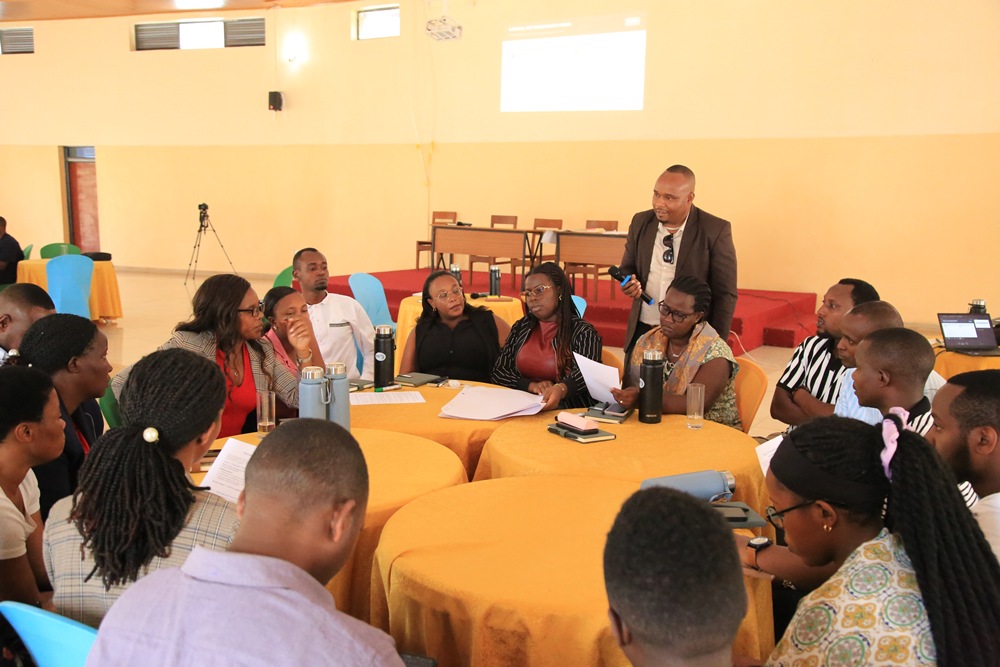
KIGALI, Rwanda – November 10, 2026 – The Salesians of Don Bosco, with support from Don Bosco Tech Africa (DBTA), convened a National Technical and Vocational Education and Training (TVET) Stakeholder Meeting at Don Bosco Green Park in Kigali, bringing together training institutions, industry representatives, students, graduates and partners to address challenges affecting vocational education in Rwanda.
The meeting focused on how to make vocational training more responsive to labour market demands, improve the quality of practical learning and strengthen cooperation between schools, employers, parents and government institutions.

Rather than focusing solely on progress achieved, participants examined the obstacles preventing graduates from securing employment and agreed on recommendations to improve the country’s TVET system.
Skills Training Still Faces a Labour Market Gap
One of the major concerns raised during the discussions was the mismatch between skills taught in training institutions and those required by employers.
Participants attributed the gap partly to inadequate equipment and machinery, as well as limited capacity among some trainers to deliver skills that reflect current industry requirements.
Group discussions also highlighted challenges affecting graduates’ transition into employment, including weak working methods, low confidence and fear of entering the workplace.
The participants further observed that vocational education remains misunderstood by sections of society, where the perception persists that TVET is intended for young people who have failed in other academic pathways.

Brother Jovite Sindayigaya, Principal of Don Bosco Muhazi TVET, challenged this perception, insisting that vocational training should be recognised as a pathway for capable young people to develop professional skills.
“A child who studies a trade is not a child who has failed at other things, but a child who must be capable,” he said.
Other challenges identified included limited employer participation in TVET, a weak entrepreneurship mindset among graduates and low salaries in parts of the labour market.
Language Barriers Complicate Technical Training
Father Callixte Ukwitegetse drew attention to language-related difficulties affecting students and trainers.

He noted that changes in Rwanda’s language of instruction, particularly the transition from French to English and subsequently back to French, have created challenges for learners.
He also highlighted the difficulty of teaching technical subjects in Kinyarwanda when some tools and equipment do not have commonly recognised Kinyarwanda names.
The discussion pointed to the need for stronger language support and practical approaches that enable students to understand technical terminology while acquiring professional competencies.
Industry Urged to Become Part of the Training Process
Strengthening collaboration between vocational schools and employers emerged as one of the key recommendations.
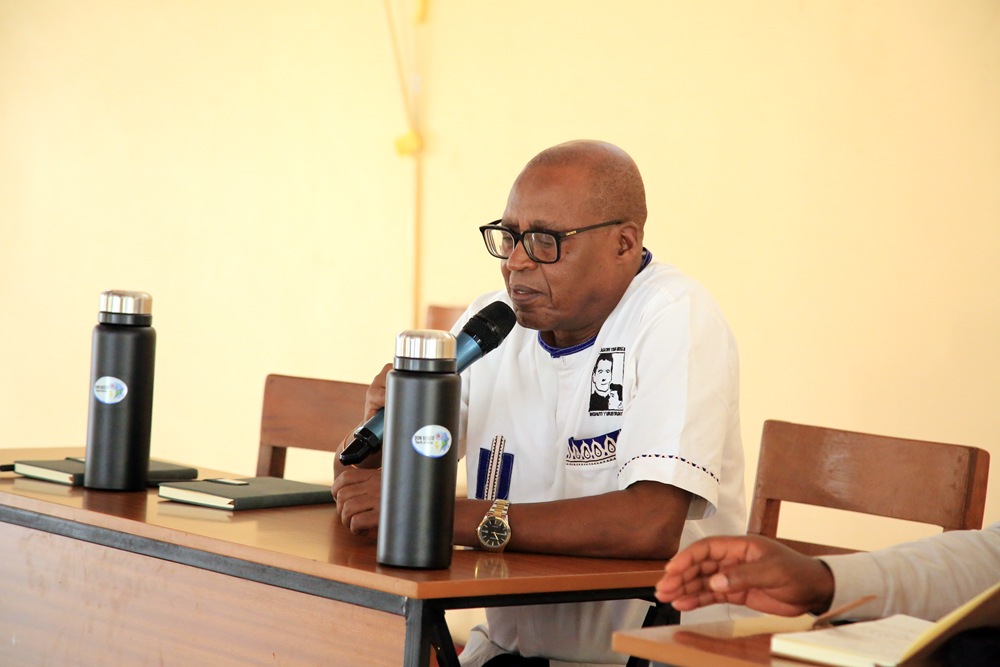
Father Gatete Innocent, Director of Don Bosco Rango TVET School and Coordinator of Salesian schools in the Africa Great Lakes Province, covering Burundi, Rwanda and Uganda, called on businesses to participate in training before students graduate.
“I call upon these industries that welcome young people, to also come and engage upstream, not only wait for us to give them finished products, but to also come and train their staff in our institutions,” he said.
His appeal reflected the need for stronger links between classroom learning and workplace requirements, allowing employers to contribute their experience and help shape the skills being taught.
Participants recommended strengthening networking and collaboration between schools and industry, while ensuring that training institutions play a visible role in preparing young people for employment.
More Equipment and Better-Prepared Trainers
The meeting also identified investment in technology, tools and machinery as essential to improving practical training.
Participants called for increased access to equipment needed for hands-on learning, alongside the wider adoption and effective use of technology in vocational institutions.

They also recommended building the capacity of trainers and providing further training to those involved in skills development.
Brother Jovite Sindayigaya emphasised that the quality of education depends partly on the knowledge and practical expertise trainers bring into the classroom and workshop.
“How are our children helped to have superior knowledge in what they are given? For them to achieve that, we ourselves must have something to offer,” he said.
He added that vocational education must translate theoretical knowledge into practical competence.
“Our knowledge must not stop at words only. It must also go into action,” he said.
Career Guidance and Parental Involvement

Participants also called for stronger career guidance and greater engagement with parents to help young people make informed decisions about vocational training.
Father Callixte Ukwitegetse stressed that parents play a central role in determining whether children pursue technical and vocational education.
“Politicians have done their role. Now, how are you reaching the parents?” he asked.
He challenged stakeholders to ensure that vocational training responds to the country’s actual skills needs, giving the example of a young person trained as a tailor who should be equipped to contribute meaningfully to the economy.
“How do we reach that parent so that the student, the tailor we train today, is one the country needs?” he said.
To illustrate the resources invested in the sector, Father Callixte cited his experience at his school in Gatenga, where he said he had handled RWF 32 million for technical examinations alone. He noted that the school is one of 808 institutions in the country.
Technical Skills Must Go Hand in Hand with Good Character
Beyond technical competence, the meeting emphasised the importance of preparing graduates to interact professionally and responsibly with others.
Brother Jovite said communication, social skills, discipline and attitude are essential qualities for anyone seeking employment.
Using the hospitality sector as an example, he explained that professional conduct can influence whether a graduate is accepted in the workplace.
“Whether it is a cook, a waitress or a waiter, if he or she greets badly, no one will want them,” he said.
He further stressed that discipline is inseparable from professional competence.
“A person cannot be undisciplined and still be able to put into practice what they have been taught,” he added.
Participants therefore recommended strengthening communication skills, soft skills, language learning and respect for the laws governing employment.
What Employers Need from Graduates

During the discussions, participants identified five key areas of competence that graduates should demonstrate to improve their employment prospects:
- Good communication skills.
- Soft skills, including social and interpersonal abilities.
- Hands-on practical skills.
- Entrepreneurship skills.
- Positive attitude and discipline.
The recommendations reflect the need for vocational institutions to develop graduates who can perform technical tasks, adapt to professional environments and explore opportunities for self-employment.
A Continental Programme Calling for National Cooperation
The Kigali meeting was also presented as part of a wider Salesian initiative to strengthen TVET across Africa.
Father Callixte recalled that in August, Don Bosco Tech Africa, together with the African Union, convened political leaders and decision-makers from different African countries in Addis Ababa to discuss cooperation in vocational education.
“This is a global programme that Salesians of Don Bosco are doing in the whole of Africa,” he said.
“If at continental level we are reaching there, how are we as countries moving together?” he asked.
He explained that the purpose of the national meeting was to share experiences and develop a common approach to improving vocational training.
“The objective of this national stakeholder meeting is to share best practices and move together,” he said.
Father Gatete also emphasised the role of vocational education in developing both individuals and the country.
“It is to give young people the possibility to develop their country while also developing their personality,” he said.
He thanked the Government for providing guidelines that help institutions align their activities with national development priorities.
“I thank the State, which really gives us the guidelines, without which we would work in a scattered way,” he added.
The meeting concluded with a shared commitment to strengthen cooperation among training institutions, industry, parents and government.
Participants agreed that improving Rwanda’s TVET system will require more than identifying existing challenges. It will depend on implementing the recommendations, investing in practical training and ensuring that young people acquire skills that respond to the realities of the labour market.
SUBSCRIBE TO OUR NEWSLETTER